Portugal is easily one of the most charismatic, sun-drenched, and deeply rewarding destinations in all of Europe. Whether you want to wander through the historic, hilly cobblestone streets of Lisbon, explore fairy-tale castles hidden inside mystical pine forests, or relax on dramatic golden beaches backed by massive sandstone cliffs, Portugal offers an unforgettable experience.
The best part about choosing this country is that, unlike its neighboring western European nations like France or Italy, Portugal remains incredibly budget-friendly for worldwide travelers. In this ultimate travel guide, we breakdown the absolute best places to visit, smart luxury options, and practical insider hacks to map out your perfect Portuguese vacation in 2026.
Capital City: Lisbon
Local Currency: Euro (€) (Super convenient for keeping budget matrices simple)
Official Language: Portuguese (Though English is very widely spoken in tourist zones!)
Visa Type: Schengen Visa required for many non-EU passport holders
Time Zone: WET (UTC+0; Western European Time)
Top 5 Absolute Best Places to Visit in Portugal
1. Lisbon: The Captivating City of Seven Hills
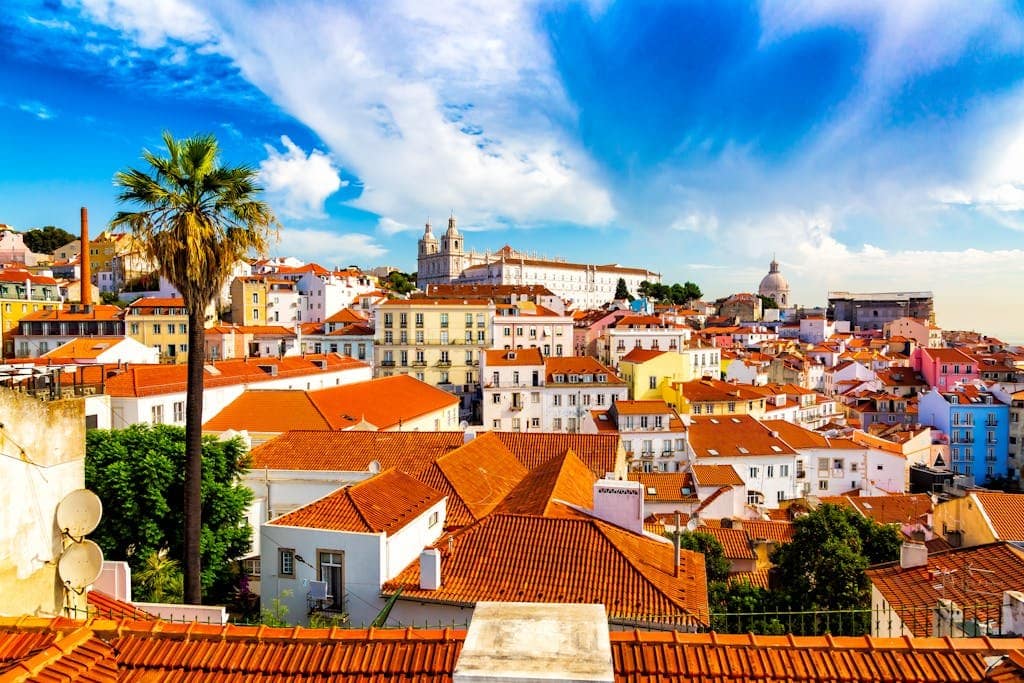
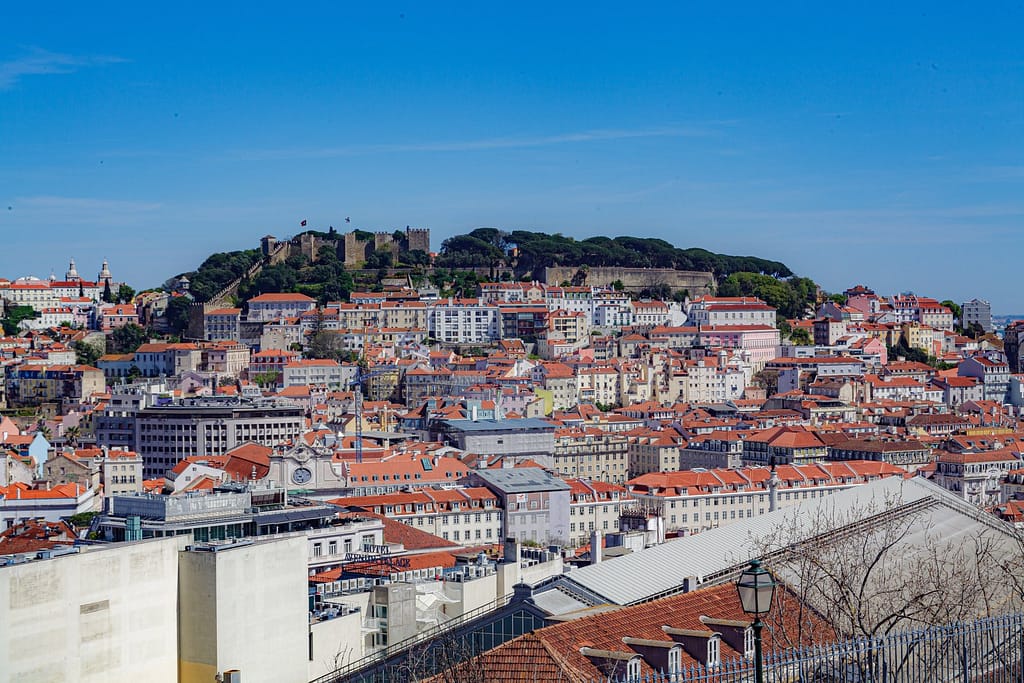
Lisbon, the historic capital, is a spectacular explosion of color, old-world charm, and modern coastal energy. Built across seven steep hills, the city overlooks the massive Tagus River. The best way to experience Lisbon is by stepping onto the iconic vintage yellow Tram 28, which rattles and climbs through the city’s oldest, most historic neighborhoods like Alfama. Spend your afternoon looking out over red-tiled roofs from local cliffside viewpoints called Miradouros. Don’t leave the city without visiting Belém to devour a fresh, warm Pastel de Nata—Portugal’s legendary, flaky custard tart dusted with sweet cinnamon.
My Personal Option for Lisbon: To explore this hilly city without draining your wallet or your energy, grab a 24-hour Lisbon Card right when you arrive. This card gives you 100% free, unlimited rides on the metro, public buses, and even those famous historic trams and elevadors that usually cost a premium for tourists. It also lets you skip the ticket lines at major monuments in Belém, saving you both time and cash.
My Secret Tip for Lisbon Transit: Avoid flagging down standard street taxis as they can get stuck in traffic and charge high rates. Instead, download the Bolt app on your phone. Bolt is the local ride-hailing favorite in Portugal, and it is routinely 20% to 30% cheaper than Uber for the exact same routes. It is perfect for those times when you are too tired to climb Lisbon’s brutal hills.
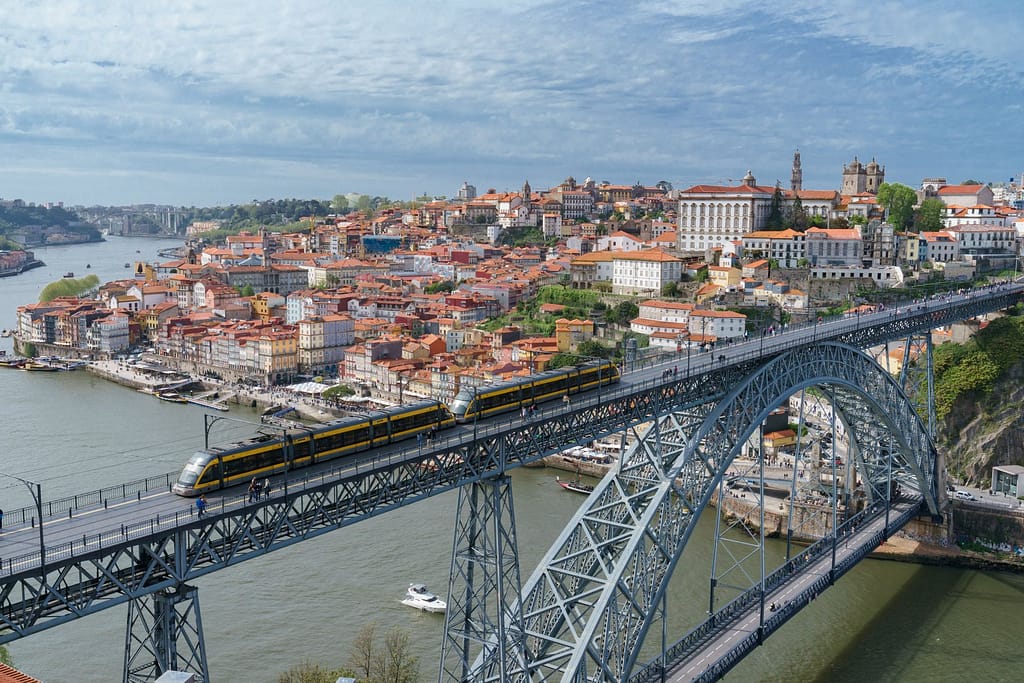
2. Porto Riversides, Bridges, and Majestic Architecture
Located further up north, Porto is a deeply atmospheric, historic city built right along the banks of the roaring Douro River. It feels a bit moodier and more traditional than Lisbon, but it is equally breathtaking. Take a relaxing stroll along the vibrant Ribeira district, photograph the magnificent double-decker Dom Luís I Bridge, and step inside the world-famous Livraria Lello, an incredibly beautiful, ornate bookstore that looks like it stepped right out of a magic movie. Porto is also the global capital of Port wine, so crossing the river to Vila Nova de Gaia for a quick cellar tasting tour is a must.
My Personal Option for Porto: When traveling to Porto from Lisbon, never book expensive domestic flights or rent a car. Portugal has a brilliant, high-speed rail network called CP Trains (Comboios de Portugal). If you log onto their official website or app 2 to 3 weeks before your trip, you can book their Alfa Pendular or Intercidades trains at a massive 50% discount. It is fast, comfortable, has free Wi-Fi, and drops you right in the center of the city for a fraction of the cost.
My Secret Tip for Porto Dining: Skip the fancy riverfront restaurants in Ribeira for lunch because they are major tourist traps with inflated prices. Instead, walk two or three blocks inland into the narrow residential alleys and look for small, family-run diners called Tascas. Look for a chalkboard outside that says “Prato do Dia” (Plate of the Day). For just 8 to 10 Euros, you will get a massive, delicious plate of fresh grilled codfish or charcoal chicken served with rice, potatoes, and a drink. It is the ultimate authentic budget meal.

3.Sintra A Fairy-Tale World of Colorful Castles
Sintra is an easy, highly popular day trip located just a 40-minute train ride away from Lisbon. Hidden inside a cool, misty mountain pine forest, this magical town feels like a completely different universe. The absolute crown jewel here is the Pena Palace, a whimsical, brightly painted yellow and red castle that sits directly on top of a mountain peak. You can also explore the mysterious Quinta da Regaleira, a Gothic estate featuring hidden underground tunnels, sprawling stone towers, and an iconic spiraling initiation well sunk deep into the earth.
My Personal Option for Sintra: Sintra palaces have incredibly strict hourly entry capacity caps. Never show up at the physical ticket counter in the morning hoping to buy a ticket and walk right in, as you will find them completely sold out. Always pre-book your entry slot online on the official Parques de Sintra website at least a week in advance. Booking online also gives you a minor percentage discount and guarantees you won’t waste your day standing in massive lines.
My Secret Tip for Sintra Itinerary: Most tourists visit Pena Palace first thing in the morning, creating massive crowds and long photo lines. Flip your itinerary instead! Visit the mysterious gardens of Quinta da Regaleira or the ancient Moorish Castle in the morning, and book your Pena Palace entry slot for the late afternoon around 4:00 PM. By this time, the big tour buses start leaving, the lighting is beautiful for photos, and you can explore the castle terraces in peace.
4. The Algarve Coast Gold Cliffs and Secret Ocean Caves
For sun seekers and beach lovers, heading all the way south to the Algarve region is an absolute necessity. This spectacular coastline features massive, weather-worn orange limestone cliffs that frame beautiful hidden beaches and turquoise Atlantic waters. Base yourself in historic towns like Lagos or Albufeira. From there, you can rent a local kayak or jump on a small boat tour to explore the Benagil Sea Cave—a massive natural ocean cave with a giant circular hole in its ceiling that lets sunlight flood onto a secret interior beach.
My Personal Option for the Algarve: Hotels right on the beach along the Algarve coast can be incredibly expensive during the sunny months. To enjoy this paradise on a budget, use my Split-Stay Method. Spend 70% of your coastal trip staying in a highly-rated, budget-friendly local guesthouse or apartment located slightly inland (just a 10-minute walk or short drive from the water). Then, splurge and book a high-end beachfront luxury room for just your final two nights. This lets you capture incredible luxury resort photos and enjoy the premium amenities without paying peak prices for the whole week.
My Secret Tip for Algarve Exploring: Avoid booking massive, crowded commercial tour boats to see the caves. They are too large to actually enter the small rock openings, meaning you only see them from the outside. Instead, join a small group kayak or stand-up paddleboard (SUP) tour guided by a local. These smaller watercraft can paddle directly inside the Benagil Cave and actually let you land your feet on the secret interior sand beach for incredible close-up photos.
5. Coimbra Rich History and Academic Traditions
Located right between Lisbon and Porto, Coimbra served as the medieval capital of Portugal for over a century. Today, it is famous for housing the University of Coimbra, one of the oldest operating universities in the entire world. The city has a wonderful, lively youthful energy fueled by its massive student population. Walk through the steep, narrow medieval streets to visit the stunning Joanina Library, a breathtaking 18th-century baroque library filled with thousands of ancient leather-bound books.
My Personal Option for Coimbra: Coimbra is a steep, vertical city, and walking up to the historic university campus from the riverbank can be exhausting. Instead of walking, take the local public funicular or a cheap Bolt ride to the very top of the hill. Start your tour at the historic university squares and ancient library, and then enjoy a beautiful, relaxed downhill walk back to the river through the old hidden courtyards and medieval archways.
My Secret Tip for Coimbra Culture: In the evenings, seek out a local performance of Fado music. While Lisbon is famous for Fado, Coimbra has its own unique style, which is sung exclusively by male students or graduates wearing traditional black academic capes. It is deeply emotional, poetic, and performed right on the historic stone steps of the old town. It is a completely free or highly affordable cultural experience that you will remember forever.
How to Reach Portugal: Flights and Connectivity
Getting to Portugal in 2026 is incredibly seamless thanks to excellent global aviation networks. The main international gateway is Lisbon Humberto Delgado Airport (LIS), which handles the highest volume of long-haul flights from the US, Middle East, and Asia. If you are planning to explore the northern wine regions first, booking flights directly into Francisco Sá Carneiro Airport (OPO) in Porto is a brilliant alternative. For sun seekers heading straight to the beaches, Faro Airport (FAO) serves as the primary hub for the southern Algarve region. Flag carrier TAP Air Portugal offers flexible stopover frameworks, allowing you to add a multi-day stay in Lisbon or Porto for no extra flight cost.
Dynamic 2026 Travel Statistics
Portugal is rapidly becoming one of the most visited destinations in Western Europe, breaking records for sustainable tourism growth. In the last year, the country welcomed over 25 million international visitors, with the highest influx of travelers coming from Spain, the United Kingdom, France, Germany, and a rapidly expanding demographic from North America and Asia. Despite the massive surge in popularity, local tourism boards are heavily focused on decentralization, urging travelers to explore mid-tier gems like Coimbra, Évora, and the Azores islands to reduce footprints in crowded hotspots.
Top Photography Spots for Content Creators
Pena Palace Balconies (Sintra): The whimsical blend of bright yellow and vivid red towers against the misty green forest backdrop provides an unmatched fairytale aesthetic.
Ribeira Waterfront (Porto): Stand on the lower tier of the Dom Luís I Bridge right at golden hour to capture the sun setting over the colorful houses stacked along the Douro River.
Miradouro da Senhora Monte (Lisbon): The highest natural viewpoint in the capital city, offering a breathtaking, unobstructed view of the historic castle and the sea.
Praia do Camilo (Algarve): Walk down the iconic wooden staircase tucked between massive orange limestone cliffs to photograph one of the most beautiful secluded beaches in the world.
Practical Transportation and Airport Guide
Once you land at any Portuguese airport, avoid expensive private shuttle services inside the terminal. Lisbon Airport is fully connected to the red metro line, taking you straight to the city center in just 20 minutes for less than 2 Euros. In Porto, the light rail metro system connects the airport directly to downtown. For traveling between major regional hubs like Lisbon, Coimbra, and Porto, stick entirely to the high-speed Alfa Pendular trains operated by CP. For short city transits when you are too exhausted to climb steep hills, always open the Bolt app on your phone instead of Uber, as local drivers routinely offer lower base fares across Portugal.
B11Online Smart Luxury Options Get More Value
Portugal is inherently affordable, but you can stretch your dollar even further to unlock premium experiences with these personal layout options:
The Boutique Countryside Villa Option: Instead of spending a fortune on luxury hotels inside central Lisbon or Porto, look for beautiful, traditional countryside estates called Quintas. They offer gorgeous luxury rooms, private pools, and home-cooked breakfasts at a fraction of major city hotel rates.
Travel via Regional Trains (CP Trains): Skip expensive car rentals or private domestic flights. Portugal’s national train network (CP Trains) is fast, reliable, and incredibly cheap. Booking your train tickets 2 to 3 weeks in advance on their official platform can drop prices by up to 50%!
Eat Like a Local at ‘Tascas’: For lunch, skip the main tourist plazas and walk into small, family-run diners called Tascas. Look for the sign Prato do Dia (Plate of the Day). You will get a massive, delicious plate of fresh grilled fish or meat, rice, potatoes, and a drink for less than €8 to €10.
Opt for Split-Stay Arrangements: When exploring the pricey Algarve coast, split your stay. Spend 70% of your trip in a budget-friendly local guesthouse slightly inland, and splurge on a high-end beachfront room for just the last two nights. This lets you capture incredible luxury photos without paying peak prices for the whole week.
Leverage Free Layered Flight Stopovers: If you are flying from outside Europe, look for flag carriers like TAP Air Portugal. They offer free stopover programs that allow you to stay in Lisbon or Porto for up to 5 to 10 days before catching your onward flight to another European country, essentially giving you a two-in-one vacation deal.
More My Secret Travel Tips & Hacks for 2026
To ensure your trip runs smoothly without unexpected operational drains, apply these targeted travel hacks step-by-step:
Pick the Perfect Shoulder Season: Summer in Portugal (June–August) gets intensely hot, overcrowded, and expensive. Plan your trip during the shoulder months of April to May or September to October for gorgeous weather, lower hotel rates, and empty beaches.
Pack Sturdy Walking Shoes with Serious Grip: Portugal’s historic streets are paved with a beautiful but incredibly slippery traditional stone called Calcada Portuguesa. Combine that with massive city hills, and you will absolutely need durable sneakers with great grip to avoid taking a nasty spill!
Get the Lisbon Card or Public Transit Tap: If you plan on visiting major monuments like the Jerónimos Monastery or riding the famous historic elevators, grab a 24 or 48-hour Lisbon Card. Alternatively, simply tap your credit card or phone wallet at metro and tram gates for highly discounted single fares.
Carry Some Emergency Cash Daily: While credit cards are widely accepted across major establishments, many smaller local cafés, tascas, and street markets in Portugal still operate strictly on physical cash. Keep a few Euros handy in your pocket daily to avoid awkward payment rejections.
Download Bolt Over Uber for Local Taxis: While Uber is very safe and common in Portugal, downloading the local ride-hailing app Bolt will save you massive amounts of money. Bolt rides are routinely 20% to 30% cheaper across Lisbon and Porto for identical transit routes.
Always Ask for ‘Agua da Torneira’ (Tap Water): When dining out at sit-down restaurants, servers will automatically try to bring you expensive bottled mineral water. Tap water in Portugal is 100% safe to drink. Simply ask for “Agua da torneira” to get free carafes of water for your table.
Avoid Car Rentals Inside Major Cities: Renting a vehicle is amazing for exploring hidden beaches along the south coast, but a total nightmare in Lisbon or Porto. Parking is incredibly expensive and hard to find, and the narrow historic alleys are brutal to navigate. Stick to trains and walking in cities.
Pre-Book Your Sintra Castle Entry Tickets: Sintra palaces have strict hourly entry capacity caps. Never show up at the ticket counter hoping to walk right in. Book your entry slot online at least a week early to guarantee your spot and save on minor online processing discounts.
Detailed Cost Breakdowns by Traveler Profile
To help you allocate your travel budget effectively, here is a transparent breakdown of what you can expect to spend daily per person in Portugal across different tiers:
Budget Backpacker Tier €40 – €55 / Day
Accommodation: €20 – €25 (Hostel dorm bed or local homestay room)
Food: €12 – €15 (Breakfast from a local bakery, lunch Prato do Dia at a tasca, and grocery snacks)
Transit: €5 (Metro passes or walking)
Activities: €5 (Free municipal museums, park walks, and public viewpoints)
Mid-Range Flashpacker Tier €85 – €130 Day
- Accommodation: €50 – €80 (Charming 3-star boutique hotel or highly-rated private apartment)
- Food: €25 – €35 (Sit-down meals at traditional neighborhood spots, wine tastings, and pastries)
- Transit: €10 (A mix of regional CP trains and quick Bolt rides)
- Activities: €15 (Paid entries to Pena Palace, cathedral tower climbs, and boat tours)
Luxury Tier €220+ Day
Accommodation: €140+ (5-star historic luxury hotels, private pool villas, or elite riverfront properties)
Food: €60+ (Fine dining seafood dinners, premium Port wine cellar pairings, and high-end brunches)
Transit: €40+ (Private drivers or high-spec automatic rental cars with motorway toll transponders)
Activities: €40+ (Private custom sailing tours along the coast and exclusive historic guide bookings)
Perfect 7-Day Portugal Route Itinerary
If you have exactly one week to experience the country for the first time, this highly optimized city-hopping track ensures you cover the ultimate highlights without feeling exhausted:
Day 1: Welcome to Porto (The North)
Arrive in Porto, check into your accommodation, and head straight to the Ribeira district. Walk across the lower deck of the Dom Luís I Bridge to capture perfect sunset photos of the old city skyline. Enjoy a cozy dinner featuring local codfish (Bacalhau) paired with a glass of Vinho Verde wine.
Day 2: Historic Libraries and Port Cellar Tastings
Start your morning early at the beautiful Livraria Lello before the heavy crowds stack up. Cross the river to Vila Nova de Gaia in the afternoon for an authentic Port wine cellar tour. Spend your evening listening to live music along the riverbanks.
Day 3: Scenic High-Speed Rail to Coimbra
Catch an early high-speed train down to Coimbra (Approx. 1 hour). Hike up to the old town university campus to marvel at the decorations inside the Joanina Library. Enjoy an affordable lunch at a local student tavern before boarding an evening train down to Lisbon.
Day 4: Exploring the Heart of Lisbon
Wake up early to catch Tram 28 through Alfama before the lines get long. Walk up to Miradouro da Senhora do Monte for the highest view of the city castle. Explore downtown Baixa and Chiado, and hit the lively bars of Bairro Alto at night.
Day 5: The Magic Fairytale Palaces of Sintra
Take the morning commuter train from Rossio Station directly to Sintra. Spend your morning exploring the colorful, artistic balconies of Pena Palace. Move to Quinta da Regaleira after lunch to descend into the mystical initiation well. Return to Lisbon for dinner.
Day 6: Maritime Wonders in Belém
Take a short tram ride to the historic district of Belém. Photograph the majestic Belém Tower and explore the stone carvings inside Jerónimos Monastery. Stop at the legendary Pastéis de Belém bakery to eat fresh custard tarts.
Day 7: Last-Minute Shopping and Departure
Spend your final morning buying handmade cork accessories and traditional painted ceramic tiles from local street markets. Grab a final outdoor coffee at a square, head to Lisbon International Airport via Bolt, and board your flight home.
Frequently Asked Questions (FAQ)
Do I need a Schengen Visa to visit Portugal?
Yes, if you hold a passport from a non-visa-exempt nation (like India), you must apply for a standard Short-Stay Schengen Visa through VFS global centers at least 2 to 3 months before your departure date. Ensure your passport has at least 6 months of validity beyond your planned stay.
What is the absolute best month to visit Portugal on a budget?
The months of May and October are the absolute sweet spots. The weather is warm enough for coastal beach walks, but hotel room metrics and flight ticket pricing drop by almost 40% compared to the chaotic summer months of July and August.
Is English widely spoken across Portugal?
Absolutely. While the official language is Portuguese, almost everyone working in hotels, restaurants, transit hubs, and main tourist zones speaks excellent English. However, trying to say a basic “Obrigado” (Thank you) is always deeply appreciated by local family-run shop owners.
How much daily budget do I need for a comfortable mid-range trip?
A mid-range traveler can comfortably explore Portugal on roughly €85 to €130 per day. This budget easily covers a highly-rated private holiday apartment, multiple daily custard tarts, sit-down dinners at local tascas, train passes, and museum entry tickets.
Is the tap water safe to drink in Portugal?
Yes, tap water is 100% safe, strictly monitored, and clean across all major cities and towns in Portugal. You can confidently refill your reusable bottles daily. When dining out, remember to explicitly ask for “Água da torneira” to get free carafes of water for your table.
Essential Packing List for Portugal 2026
To stay completely comfortable throughout your journey, make sure your luggage contains these essentials:
The Slip-Proof Footwear Matrix: Lightweight, broken-in sneakers with rubber patterns to survive the steep cobblestones.
Smart Sun Defense Gear: A high-quality wide hat, high-factor sunscreen, and polarized sunglasses (Portugal gets over 300 days of sun annually!).
Layered Clothing Options: Even in summer, coastal breezes make evenings in Lisbon, Porto, and the Algarve surprisingly cool. Pack a light windbreaker jacket.
European Power Plug Adapter: Portugal uses standard Type C and Type F round two-pin European outlets running on a 230V framework.
Durable Reusable Canvas Tote Bag: Supermarkets and local shops in Europe charge extra transaction fees for plastic bags. Carry your own for shopping or groceries.
Local Etiquette and Cultural Customs
To blend in perfectly with locals rather than sticking out like a loud tourist, remember these smooth social protocols:
Do Not Rush Your Coffee Sessions: In Portugal, coffee is a slow, beautiful social ritual. Never order a coffee “to-go” while running down the street. Sit down at a patio table, order an Espresso (Bica), and take your time.
Understanding the ‘Couvert’ System: When you sit down at a restaurant, the server will immediately place small plates of bread, olives, and cheese on your table. These are not free. If you eat them, you will see a small charge on your bill. If you don’t want them, simply tell the waiter “No, thank you” and they will take them away.
Keep Tipping Modest and Casual: Tipping is not a strict requirement in Portugal like it is in North America. In casual diners, leaving a few loose Euro coins is plenty. In high-end restaurants, a 5% to 10% cash tip for great service is deeply appreciated.
Learn a Few Basic Local Words: The locals are incredibly warm and welcoming, and trying to say even two words in Portuguese will win them over instantly. Use “Olá” for hello, “Obrigado” if you are male (or “Obrigada” if you are female) for thank you, and “Por favor” for please.
Portugal is a destination that captures your heart effortlessly. It doesn’t just offer spectacular sights—it offers a slow, beautiful way of living. From the hauntingly beautiful sounds of traditional Fado music echoing through hidden brick alleyways to the incredible warmth of its locals, Portugal is an absolute European masterpiece that proves you don’t need a massive fortune to have a world-class travel experience. Plan your route strategically, book your tickets early, and let your Portuguese adventure begin!
Please note: These prices are subject to change based on season
Explore more on b11online.com
For more details, check the official Portugal Tourism Website.” Portugal.com