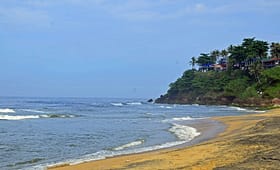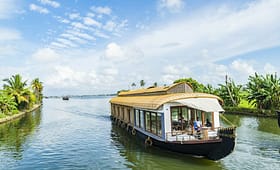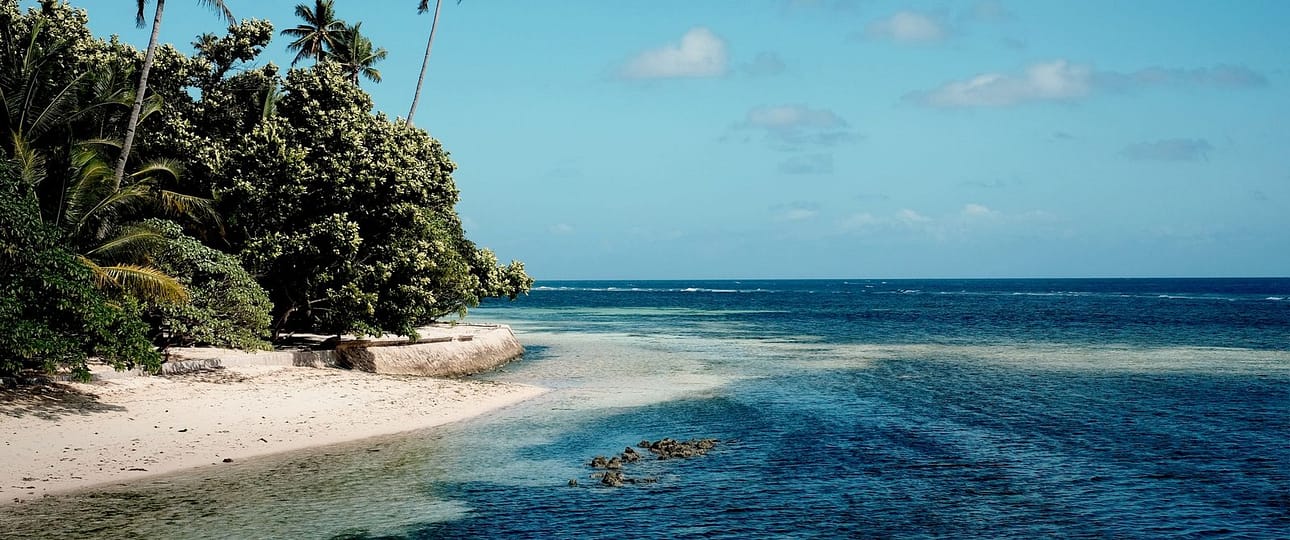
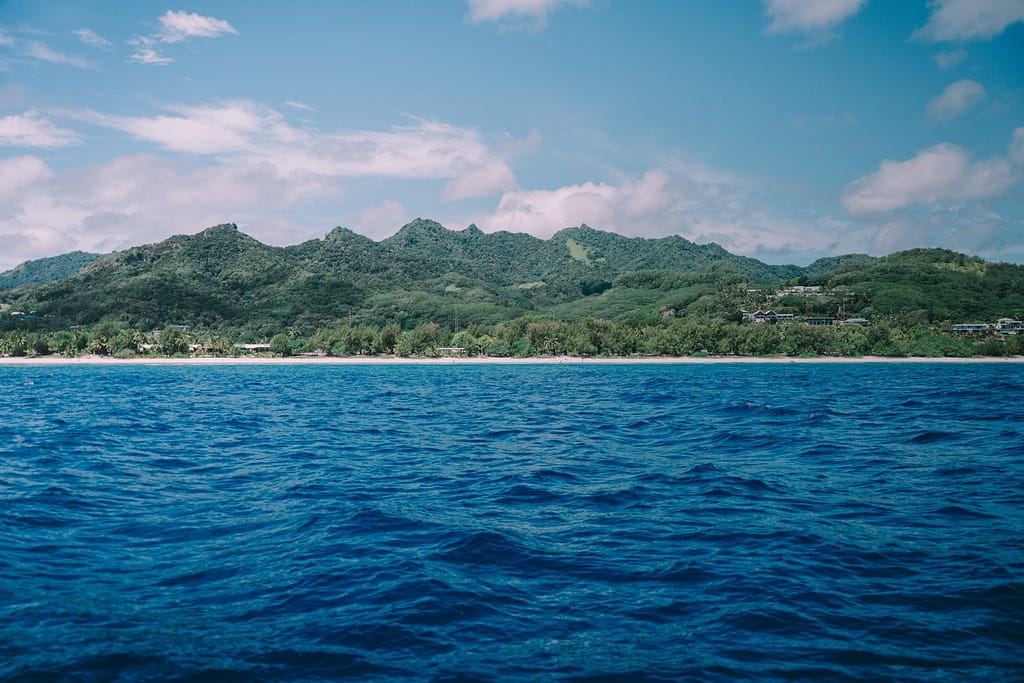
The Cook Islands, a self-governing nation in free association with New Zealand, is a stunning South Pacific paradise of 15 pristine islands scattered across 2 million square kilometres of deep blue ocean. Offering breathtaking turquoise lagoons, white-sand beaches, a rich and vibrant Polynesian culture, and legendary warm hospitality, this destination is the definition of an authentic and unhurried tropical escape.
If you are looking for a true island paradise that feels far less commercial and crowded than Fiji or Tahiti, the Cook Islands should be at the absolute top of your 2026 travel bucket list. In this comprehensive, expert travel guide, we breakdown the absolute best islands to visit, smart luxury options, realistic cost breakdowns, and practical insider hacks to plan your perfect South Pacific getaway.
Capital City: Avarua Located on the main island of Rarotonga
Local Currency: New Zealand Dollar (NZD) (Super convenient for keeping budget matrices simple)
Official Languages: Cook Islands Maori and English
Visa Type: Visa-free entry on arrival for up to 31 days for almost all nationalities
Time Zone: CKT (UTC-10; Cook Islands Time)
Driving: They drive on the left side of the road here.
How to Reach the Cook Islands
Reaching this remote South Pacific paradise is surprisingly simple. The sole international gateway is Rarotonga International Airport (RAR), located just 10 minutes from Avarua town. Daily direct flights connect Rarotonga to Auckland via Air New Zealand and Jetstar, taking roughly 4 hours. There are also highly popular weekly flights linking the islands to Sydney, Los Angeles, and Papeete (Tahiti). For inter-island travel, Air Rarotonga operates daily domestic routes to Aitutaki, alongside weekly flights to outer eco-islands like Atiu, Mauke, and Mitiaro. Cargo ships occasionally carry travelers, but flying remains the most practical and efficient layout option for tourists.
Top 3 Absolute Best Islands to Explore
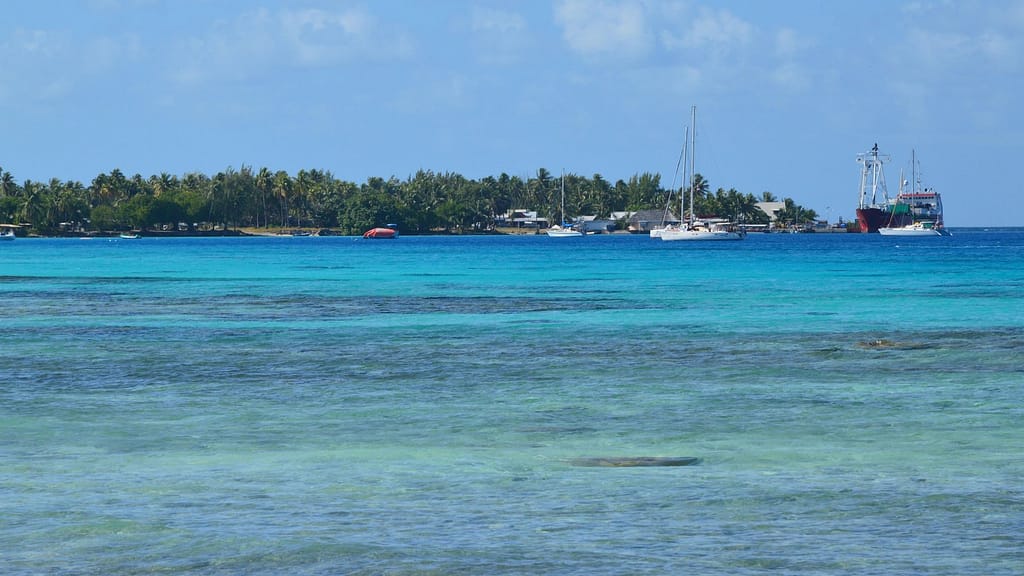
1. Rarotonga The Vibrant Heart and Hub
Rarotonga is the main island, the central hub, and the starting point for every traveler entering the Cook Islands. It is an incredibly beautiful volcanic island measuring just 32 kilometers in circumference, meaning you can drive or cycle around the entire coast in less than 45 minutes. The island features a dramatic, jagged green mountain interior surrounded by a sparkling coral reef and shallow lagoons. The most famous area here is Muri Lagoon, located on the eastern side, which features crystal-clear water and beautiful small islets (motus) that are perfect for day exploration.
My Personal Option for Rarotonga: To get the absolute most out of your time on the main island, skip the expensive car rentals. Rarotonga has a legendary and incredibly simple public bus system. There are only two buses: the Clockwise bus and the Anti-Clockwise bus. They loop the single main coastal road all day long. For just a few dollars, you can hop on and off wherever you like, save massive transit cash, and chat with friendly locals who use the bus daily.
My Secret Tip for Rarotonga Hiking: If you love an adventure, you absolutely must do the famous Cross-Island Trek. This trail takes you deep through dense tropical rainforests and leads you right up to the base of Te Rua Manga (The Needle), an iconic, towering volcanic pinnacle with dramatic 360-degree views of the ocean. Do not do this trek right after a rainy day as the clay trails become incredibly slick and muddy. Start early in the morning around 7:30 AM to beat the tropical humidity and carry fresh insect repellent.
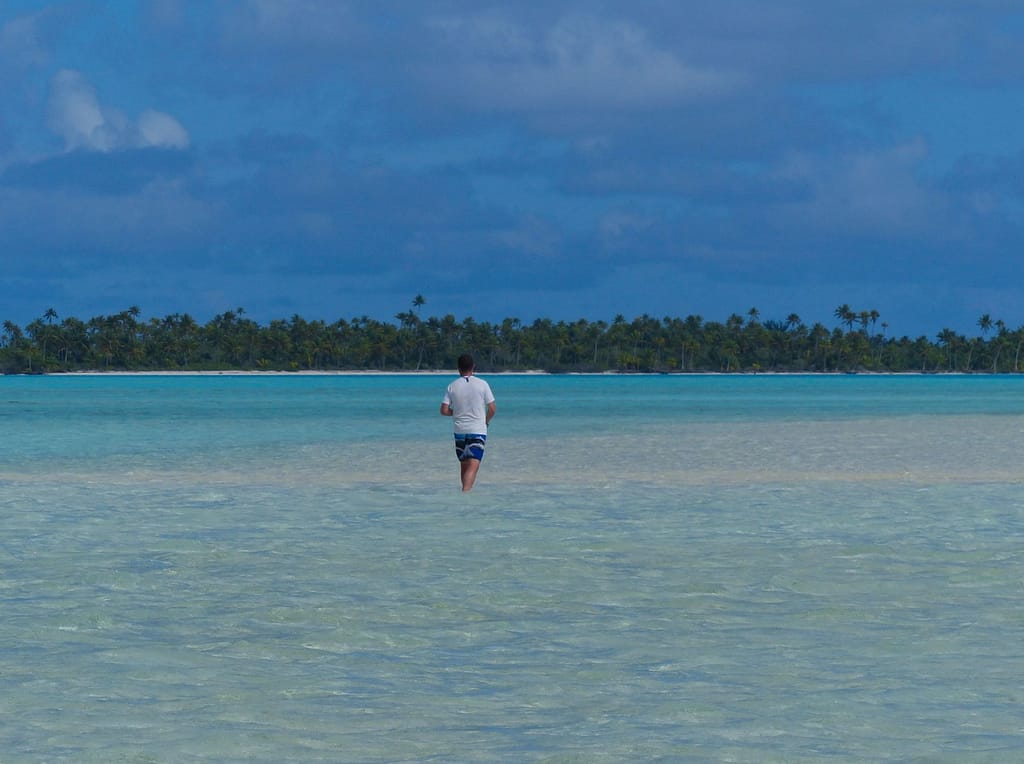
2. Aitutaki The Breathtaking Lagoon Paradise
Located a quick 45-minute domestic flight north of Rarotonga, Aitutaki is a place that will genuinely take your breath away. It is home to one of the most beautiful coral lagoons on the entire planet. The main island is tiny, but the massive triangular lagoon is dotted with 15 uninhabited palm-fringed sand islands and sandbars surrounded by every shade of electric blue and turquoise water you can imagine. It is the ultimate romantic escape and a global hotspot for honeymooners.
My Personal Option for Aitutaki: Flights between Rarotonga and Aitutaki operated by Air Rarotonga can be quite expensive if you book last minute. To make this bucket-list experience budget-friendly, try to book a day trip package or secure your flight tickets at least 2 months early. If a multi-night stay at an overwater bungalow fits your budget, utilize my Split-Stay Method. Spend the majority of your trip in a charming beach hut on Rarotonga, and splurge on an overwater villa at the Aitutaki Lagoon Private Island Resort for just your final two nights.
My Secret Tip for Aitutaki Cruises: When you visit Aitutaki, booking a full-day lagoon cruise is an absolute necessity. Avoid standard short tours and make sure your boat cruise stops at One Foot Island (Tapuaetai). This tiny sand islet features an iconic, post-card perfect sandbar. Most importantly, it houses the only official post office located on an uninhabited island in the world! Pack your physical passport in a waterproof bag and bring a few dollars cash so you can get a unique, world-famous “One Foot Island” stamp right inside your passport.
3. Atiu The Off-The-Beaten-Path Adventure
For travelers who want a completely raw, unspoiled, and traditional eco-adventure, Atiu (also known as Enuamanu, meaning Island of Birds) is the perfect alternative. Located a short flight away, it is a raised volcanic island surrounded by a ring of fossilized coral limestone cliffs known as makatea. With a population of fewer than 400 people and absolutely no commercial resorts, it feels like stepping back in time to ancient Polynesia.
My Personal Option for Atiu: Accommodation options on Atiu are limited to small, rustic family-run guesthouses and eco-lodges. Embrace this fully! Staying here gives you a rare chance to share traditional meals with local families and experience true Cook Islands community life. Rent a local bicycle or scooter to explore the ancient inland dirt roads and tiny, completely empty sand coves entirely at your own pace.
My Secret Tip for Atiu Exploration: Atiu is world-famous for its deep limestone caves hidden inside dense jungle terrain. You absolutely must hire a local guide to take you into the spectacular Anatakitaki Cave. This cave features massive stalactites, ancient burial grounds, and is the unique home of the Kopeka, a rare, endemic bird that nests deep inside the dark caverns and uses echo-location clicks to navigate. Wear sturdy hiking shoes or water sandals as climbing over the sharp coral makatea rocks is brutal on bare feet.
B11Online Smart Luxury Options Get More Value
The Cook Islands can be quite expensive because it is a remote South Pacific destination where most goods are imported from New Zealand. However, you can secure premium experiences without blowing your budget using these personal options:
The Local Supermarket Strategy: Restaurant dining on Rarotonga can drain your wallet fast. To save cash for big activities like scuba diving or scenic flights, do what the smart travelers do. Head to the local Prime Foods or CITC supermarkets in Avarua on your first day. Stock up on fresh tropical fruits, local bread, and breakfast essentials. Most beach resorts and bungalows feature kitchenettes, allowing you to easily prepare breakfast and snacks.
The Saturday Morning Market Ritual: Never plan a fancy hotel breakfast on a Saturday morning. Instead, head early to the Punanga Nui Market in Avarua town around 7:30 AM. It is a fantastic cultural experience filled with live music, traditional dance performances, and local craft stalls. You can buy delicious, authentic local street food plates like Ika Mata (raw fish marinated in fresh coconut cream) or BBQ skewers for a fraction of restaurant prices.
Free Water Refill Stations: Instead of wasting money daily buying expensive single-use plastic water bottles at convenience stores, carry a durable reusable bottle. Rarotonga features dozens of clean, community-funded filtered water refill stations scattered all around the island ring road. They are 100% free to use, safe, and help protect the delicate island ecosystem from plastic waste.
More My Secret Travel Tips & Hacks for 2026
To ensure your South Pacific holiday runs smoothly without unexpected operational drains, apply these targeted travel hacks step-by-step:
Master the Shoulder Season Sweet Spot: The peak tourist season in the Cook Islands runs during the dry months of June to August, aligning with Australian and New Zealand winter school holidays, which drives resort prices to their maximum. Instead, plan your trip during the shoulder months of April to May or September to October. You will experience gorgeous, warm weather, lower humidity, and significantly cheaper accommodation rates.
Pack Reliable Water Shoes: While the sand on the beaches is incredibly soft and white, the coral reefs inside the lagoons are teeming with marine life. To safely enjoy snorkeling at Aroa Marine Reserve or kayaking across Muri Lagoon, you absolutely must pack durable water shoes. They protect your feet from sharp coral bits and the occasional camouflaged stonefish.
Prepare for a Complete Digital Detox: Do not expect high-speed, unlimited 5G internet across the outer islands. While Vodafone Cook Islands provides decent 4G+ connectivity and hotspots around Rarotonga and Aitutaki, prepaid travel eSIM data can be quite expensive. Embrace the slow pace of life, notify your office in advance, download your Google Maps offline, and treat this trip as a beautiful digital detox.
Always Carry Cash NZD: While major resorts, car rental agencies, and high-end restaurants gladly accept Visa and Mastercard, smaller local fruit stalls, beach bars, craft markets, and outer island guesthouses operate strictly on physical cash. ATMs are available in Rarotonga and Aitutaki, but there are absolutely no ATMs on the remote Northern Group islands, so carry plenty of cash New Zealand Dollars.
Respect the Sunday Sabath: The Cook Islands is a deeply traditional Christian society, and Sundays are treated as a sacred day of rest. Almost all shops, supermarkets, and tour companies close completely on Sundays. Plan your grocery shopping by Saturday afternoon. On Sunday morning, dress modestly (covering shoulders and knees) and attend a local church service in Avarua. Even if you aren’t religious, hearing the breathtaking, multi-part harmonic Maori hymns sung by the congregation is a deeply moving cultural experience.
by Traveler
To help you allocate your travel budget effectively, here is a transparent breakdown of what you can expect to spend daily per person across different islands (Calculated in New Zealand Dollars):
Budget Backpacker Tier NZ$100 – NZ$150 Day
Accommodation: NZ$40 – NZ$60 (A cozy bed in a local guesthouse, beach hostel, or traditional backpacker hut)
Food: NZ$30 – NZ$40 (Buying fresh groceries from local supermarkets, self-catering, and grabbing local Burek or pastries from bakeries)
Transit: NZ$10 (Using the local public loop bus or renting a bicycle)
Activities: NZ$10 (Focusing on free marine reserves, public beaches, and self-guided mountain treks)
Mid-Range Flashpacker Tier NZ$225 – NZ$400 Day
Accommodation: NZ$150 – NZ$250 (A lovely beachfront resort room, traditional bungalow, or a private holiday cottage)
Food: NZ$60 – NZ$90 (Enjoying sit-down dinners at popular spots like Trader Jacks, beachfront cafés, and fresh seafood platters)
Transit: NZ$25 – NZ$35 (Renting a local scooter or automatic compact car to explore the coast freely)
Activities: NZ$40 – NZ$60 (Paid entry to premium overwater cultural shows like Te Vara Nui and shared glass-bottom lagoon boat tours)
Luxury Tier NZ$500 Day
Accommodation: NZ$350+ (Premium 5-star adults-only luxury resorts, overwater villas on Aitutaki, or elite private island stays)
Food: NZ$120+ (Fine dining beachfront candlelit dinners, premium imported wine pairings, and luxury resort breakfasts)
Transit: NZ$60+ (High-spec automatic rental vehicles or private custom transit arrangements)
Activities: NZ$80+ (Private custom sailing charters across the lagoon, deep-sea fishing trips, and private cultural guide bookings)
Perfect 7-Day Cook Islands Highlight Itinerary
If you have exactly one week to experience this tropical paradise for the first time, this highly optimized route track ensures you cover both the vibrant main island and the legendary lagoon of Aitutaki without feeling rushed:
Day 1: Welcome to Rarotonga & Sunset Kayaking
Arrive at Rarotonga International Airport, receive your traditional floral welcome, and check into your accommodation along Muri Beach. Spend your afternoon relaxing on the soft white sand and acclimatizing to the slow “island time.” Rent a kayak right from your beachfront and catch your very first South Pacific sunset reflecting off the calm lagoon waters. Enjoy a casual dinner at the nearby Moorings Café.
Day 2: The Epic Cross-Island Mountain Trek
Wake up early, pack plenty of water, and head to the starting point of the Cross-Island Trek. Spend 3 to 4 hours hiking through dense tropical forests and climbing up to the magnificent base of Te Rua Manga (The Needle) for spectacular views of the entire island coastline. Head straight down to the Aroa Marine Reserve in the afternoon to soothe your tired legs by snorkeling among hundreds of vibrant tropical fish and blue starfish.
Day 3: The Punanga Nui Saturday Market & Cultural Show
Start your Saturday morning early by heading to the bustling Punanga Nui Market in Avarua town. Feast on fresh Ika Mata and tropical fruits while watching local children perform traditional drum dances. Spend your afternoon shopping for handmade black pearls and printed pareus (sarongs). In the evening, book tickets for the spectacular Te Vara Nui Village overwater cultural show and enjoy a massive traditional buffet dinner.
Day 4: Paradise Flight to Aitutaki Lagoon
Board an early morning domestic flight with Air Rarotonga to the breathtaking island of Aitutaki. As the plane approaches, look out the window to capture incredible photographs of the bright turquoise lagoon from the air. Check into your lagoon-front resort, rent a local scooter, and spend your afternoon exploring the quiet, sleepy village streets and historic coral stone churches of Arutanga.
Day 5: The Ultimate One Foot Island Lagoon Cruise
Board a small group lagoon cruise or water taxi to explore the remote corners of the Aitutaki lagoon. Spend your day swimming in crystal-clear water, snorkeling with giant trevally fish, and walking across pristine white sandbanks. Stop at One Foot Island for a delicious fresh fish BBQ lunch, and don’t forget to get your physical passport stamped at the tiny island post office before catching a late afternoon flight back to Rarotonga.
Day 6: Ancient Marae History & Beachfront Dining
Spend a relaxing morning exploring the ancient marae (sacred ceremonial stone sites) at Highland Paradise to learn about the deep pre-Christian history and tribal navigation cultures of the Cook Islands. Spend your final afternoon swimming at Black Rock Beach, a beautiful spot featuring dramatic volcanic rock formations. For your final evening, book a romantic candlelit dinner table right on the sand at Tamarind House.
Cook Islands
January & February Warm, humid, and the peak of the tropical wet season. Landscapes are incredibly lush and green, but occasional tropical storms or cyclones are possible. Great for budget travelers looking for resort discounts.
March & April The transition period out of the wet season. Skies clear up, humidity drops, and April serves as a fantastic shoulder month with fewer crowds.
May to August: The glorious dry season. This is the coolest and most comfortable time of the year, perfect for hiking and lagoon cruises. However, it is also peak tourist season with maximum flight and hotel rates.
September & October The absolute sweet spot! The weather is beautifully warm, humidity is low, the ocean is calm, but the peak summer crowds have departed, making it highly affordable.
November & December The start of the warmer tropical rains. Festive holiday markets fill the streets in December, bringing a lovely community energy.
Frequently Asked Questions (FAQ)
Do I need a visa to visit the Cook Islands?
No, almost all nationalities receive a free 31-day visitor visa on arrival, provided you hold a passport valid for at least 6 months, a confirmed return or onward flight ticket, and a valid hotel accommodation booking. New Zealand citizens can stay up to 90 days visa-free.
What is the local currency and are cards accepted?
The official currency is the New Zealand Dollar (NZD). While Visa and Mastercard are widely accepted at major resorts, supermarkets, and established restaurants on Rarotonga, small market stalls, loop buses, and remote outer islands operate strictly on physical cash.
Is it safe to drink the tap water in the Cook Islands?
While tap water at major resorts is often treated and filtered, it is generally recommended for international travelers to drink bottled or filtered water. You can confidently refill your reusable water bottles for free at any of the clean, community-funded public water stations located all around Rarotonga.
Which island is better to visit: Rarotonga or Aitutaki?
Both offer completely different experiences! Rarotonga is fantastic for hiking, dining, cultural markets, and overall activities. Aitutaki is an unmissable, ultra-romantic paradise strictly famous for having one of the most beautiful lagoons and sandbars on earth. For a perfect trip, try to combine both.
Essential Packing List for the South Pacific
To stay completely comfortable throughout your island journey, make sure your luggage contains these essentials:
The Snorkel Gear & Coral Shoes Matrix: Lightweight snorkel gear and high-quality water shoes with thick rubber soles to protect your feet from sharp coral.
Reef-Safe Sunscreen Only: Traditional sunscreens contain chemicals that permanently bleach and damage delicate coral reefs. Pack only certified, biodegradable reef-safe mineral sunscreen.
Heavy-Duty Insect Repellent: Tropical islands mean mosquitoes, especially if you plan on doing the Cross-Island Trek or exploring jungle caves. Pack an effective repellent.
Lightweight Rain Windbreaker: Tropical showers can pop up out of nowhere, even during the dry season. A compact, lightweight rain jacket is highly useful.
Type I Power Plug Adapter: The Cook Islands uses the standard three-pin flat plug configuration running on a 230V framework, identical to Australia and New Zealand outlets.
Local Etiquette and Cultural Customs
To blend in perfectly with locals rather than sticking out like a loud tourist, remember these smooth social protocols:
The Power of “Kia Orana”: This is the universal Maori greeting that translates to “May you live long.” Use it often and with a smile when greeting anyone on the island. To say thank you, say “Meitaki”.
Dress Modestly Outside the Beach: While bikinis and swimwear are completely fine on the resort beaches and pool decks, it is considered highly disrespectful to walk through local villages or towns in revealing clothing. Always throw a sarong (pareu) or t-shirt over your swimwear when heading inland.
Keep Tipping and Bargaining Absent: Tipping is not a part of Polynesian culture and is never expected or required at restaurants or hotels. Similarly, bargaining or haggling at the local craft markets is considered rude. The price marked on the item is the fair price requested by the artisan.
The Cook Islands is a destination that captures your heart effortlessly. It doesn’t just offer spectacular sights—it offers a slow, beautiful way of living. From the hauntingly beautiful sounds of traditional drum beats echoing through the evening air to the incredible, authentic warmth of its people, the Cook Islands is an absolute South Pacific masterpiece that proves you can experience a true tropical paradise without the commercial crowds. Plan your route strategically, book your domestic flights early, and let your Polynesian adventure begin!
Please note These prices are subject to change based on season
Explore more on b11online.com
For more details, check the official Tourism Website. cookislands.travel.com