
Japan is one of those rare countries that feels completely different every single time you visit. One day you are walking through the neon-lit, busy streets of Tokyo, and the next, you find yourself surrounded by quiet ancient temples, misty mountain landscapes, or a peaceful traditional village.
If you are planning a trip to Japan in 2026, you might feel a bit overwhelmed by the choices. Japan has something incredible for every type of traveler—whether you are a food lover, a culture enthusiast, an adventure seeker, or traveling with family. In this ultimate travel guide, we breakdown the absolute best places to visit in Japan and how to plan your perfect itinerary.
1. Tokyo The Perfect Mix of Future and Tradition
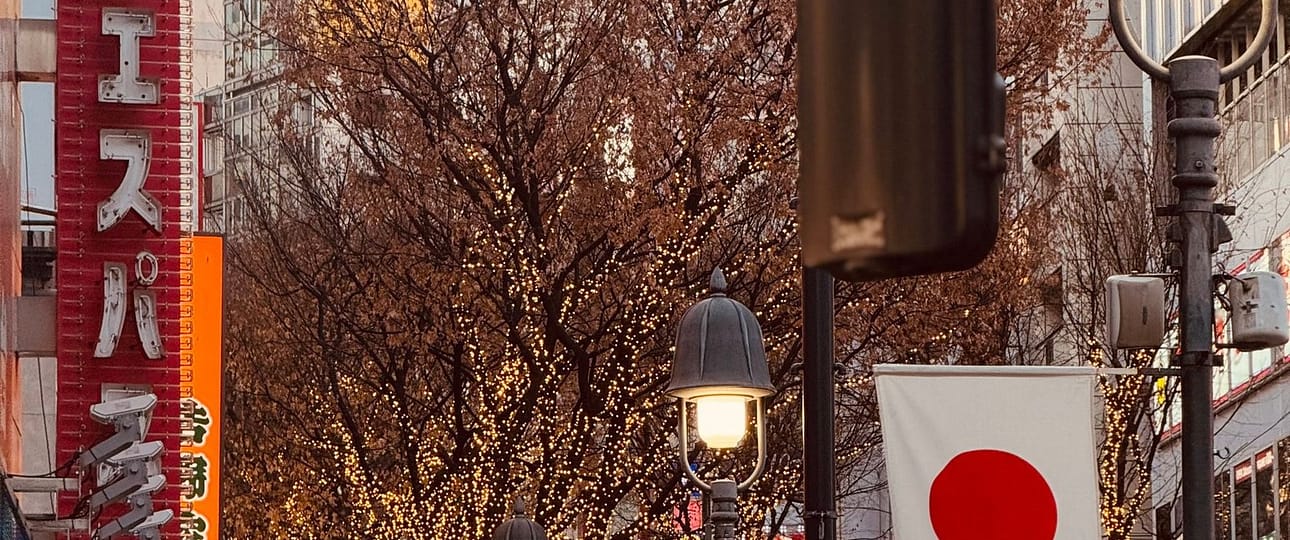
Tokyo is the best place to start your first trip to Japan. It is enormous, fast-paced, and exciting. What makes Tokyo unique is how it balances modern technology with old-world culture.
You can spend your morning visiting Senso-ji, a traditional 7th-century temple in Asakusa, have lunch in a tiny basement ramen shop, explore the fashionable, crowded streets of Shibuya Crossing, and finish your evening with incredible panoramic city views from the Tokyo Skytree. Tokyo is ideal if you want to experience the futuristic side of Japan while still finding traditional culture around almost every corner.
2. Kyoto The Cultural Heart of Japan
If Tokyo shows you the modern future, Kyoto takes you back in time. As Japan’s former imperial capital, Kyoto is famous for its thousands of classical Buddhist temples, serene Zen gardens, traditional wooden houses, and historic geisha neighborhoods.
The top highlights here include walking through the iconic red gates of Fushimi Inari Shrine, looking out over the city from Kiyomizu-dera Temple, and strolling through the famous Arashiyama Bamboo Grove.
- Travel Tip: Try visiting popular spots like the Golden Pavilion or Arashiyama early in the morning around 7:00 AM. The atmosphere is much calmer before the tour buses arrive.
3. Osaka The Capital of Food and Nightlife
Osaka has a completely different personality compared to Tokyo and Kyoto. People here are famously friendly, and the city revolves around incredible food and vibrant nightlife.
The heart of the city is Dotonbori, a glittering district running along a canal, filled with massive neon signs and hundreds of street food stalls. When you are in Osaka, you must try local specialties like Takoyaki (octopus balls) and Okonomiyaki (savory cabbage pancakes). It is also home to Universal Studios Japan and serves as an excellent, affordable base for day trips to nearby historic cities like Nara.
4. Mount Fuji Japan’s Most Iconic Landscape
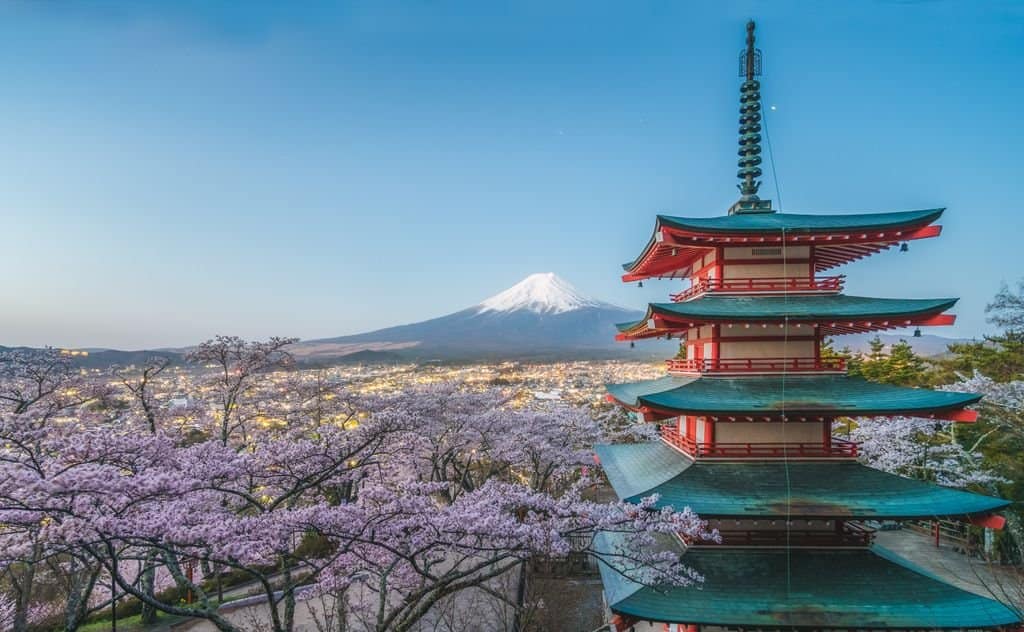
No trip to Japan is complete without seeing Mount Fuji. This perfectly shaped volcano can be viewed from several locations, but Lake Kawaguchiko is arguably the most popular and scenic area for travelers.
On a clear day, you can capture stunning photographs of the mountain reflecting off the lake. If you want a slower, more scenic side of Japan away from the neon lights of Tokyo, spending a day or two in the Fuji Five Lakes region is highly recommended.
5. Nara: Ancient Temples and Friendly Free-Roaming Deer
Nara is an easy, budget-friendly day trip from either Kyoto or Osaka. It was Japan’s very first permanent capital, and it is packed with massive historic weight.
The main attraction is Nara Park, where hundreds of bowing deer roam completely free among travelers. Right inside the park sits Todai-ji Temple, one of the largest wooden buildings in the world, which houses a massive 15-meter-tall bronze Buddha statue. Nara offers a relaxed, slower pace that makes for a wonderful change of scenery during a hectic itinerary.
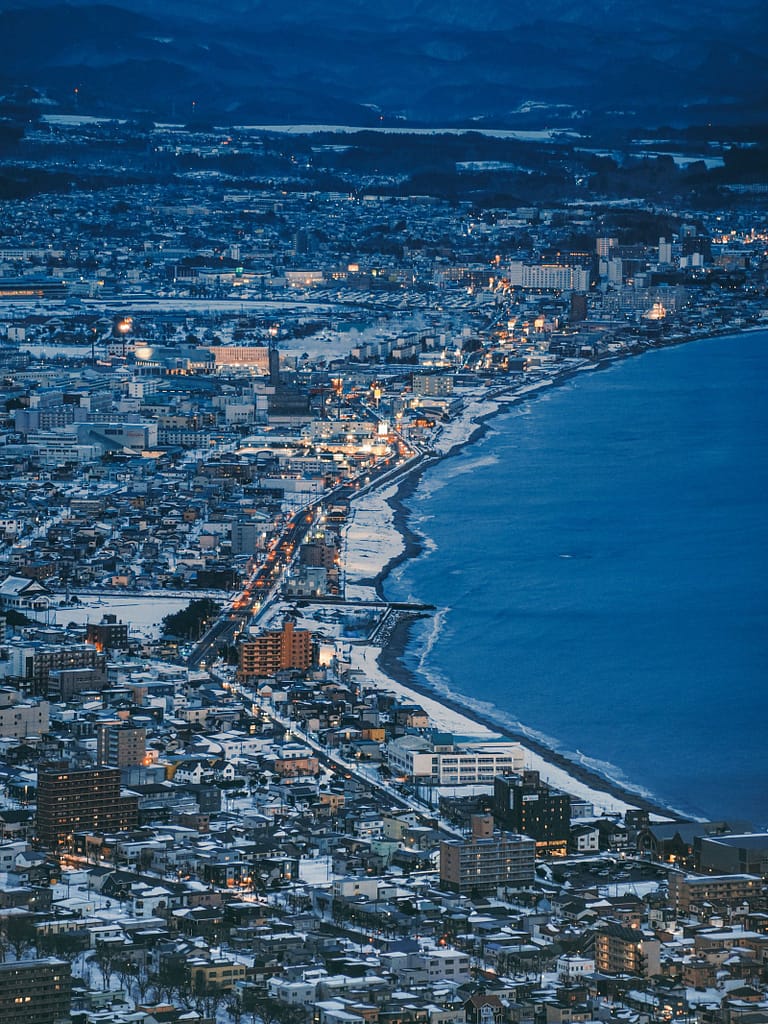
6. Hokkaido: Wild Nature, Snow Sports, and Fresh Seafood
For travelers who want to experience Japan’s raw natural beauty, head north to the island of Hokkaido. During the winter, Hokkaido becomes a global hotspot for skiing, snowboarding, and hot springs (Onsen), centered around the main city of Sapporo.
If you visit during the summer or autumn, the snow melts away to reveal beautiful countryside, massive national parks, and vibrant flower fields. Hokkaido is also legendary across Japan for having the freshest, highest-quality seafood in the country.
7. Hiroshima & Miyajima: History, Reflection, and Peace
Hiroshima is a destination that offers a deeply meaningful and emotional experience. Visiting the Hiroshima Peace Memorial Park and the Atomic Bomb Dome provides a powerful look into world history and the city’s inspiring message of global peace.
Just a short ferry ride from the city lies Miyajima Island. It is world-famous for the Itsukushima Shrine and its iconic “floating” torii gate, which appears to sit directly on top of the ocean during high tide.
8. Okinawa: The Tropical Island Escape
When most people imagine Japan, they picture snowy mountains, temples, and busy train stations. Okinawa turns that image upside down. Located far to the south, Okinawa is a chain of tropical islands featuring white-sand beaches, crystal-clear blue water, and a distinct local Ryukyu culture.
It is the perfect spot to slow down, enjoy snorkeling, diving, or island hopping after spending a week walking through busy cities like Tokyo and Osaka.
9. Kanazawa: A Beautiful Alternative to Crowded Kyoto
If you want to experience authentic, traditional Japanese culture but want to avoid the massive tourist crowds found in Kyoto, Kanazawa is your best alternative.
The city escaped destruction during World War II, meaning its historic samurai and geisha districts remain beautifully preserved. Kanazawa is also home to Kenroku-en Garden, which is officially recognized as one of the three most beautiful traditional gardens in all of Japan.
10. Nikko: A Scenic Mountain Escape Close to Tokyo
Located just a two-hour train ride north of Tokyo, Nikko makes for a perfect day trip or overnight escape from the capital. The area beautifully combines mountain scenery, roaring waterfalls, and historic UNESCO World Heritage shrines hidden deep inside dense cedar forests. Nikko is exceptionally stunning during the autumn months when the surrounding forests turn vibrant shades of deep red, orange, and yellow.
Best Time to Visit Japan in 2026
Spring (March to May): Famous worldwide for the cherry blossom (Sakura) season. The weather is pleasant, but tourist crowds and prices are at their highest.
Autumn (September to November): One of the best times to visit. The autumn foliage creates stunning landscapes, the weather is cool, and it is far less crowded than spring.
Winter (December to February): Ideal for snow sports in Hokkaido, viewing frozen landscapes, and relaxing in natural hot springs.
Summer (June to August): Hot and humid, but filled with incredible local cultural festivals and massive firework displays across the country.
Perfect 10-Day Japan Itinerary for First-Time Visitors
If you are planning your very first trip, 10 days is the perfect amount of time to cover the golden route of Japan:
Days 1–3: Explore Tokyo (Modern sights, tech hubs, and street food)
Days 4–5: Train to Kyoto (Temples, bamboo groves, and traditional culture)
Days 6–7: Travel to Osaka (Street food capital, nightlife, and castle)
Day 8: Day trip to Nara (Deer park and giant Buddha) or Mount Fuji
Days 9–10: Return to Tokyo for last-minute shopping and departure
Final Thoughts
Japan is so much more than just a vacation destination—it is an unforgettable experience. The best way to enjoy Japan is not by rushing to check off every single sight on a list. Instead, give yourself enough time to slow down, wander through quiet local neighborhoods, try food you cannot pronounce, and appreciate the small, beautiful details along the way.
Please note: These prices are subject to change based on season
Explore more on b11online.com
For more details, check the officia japan Tourism Website.” japan.travel.com