
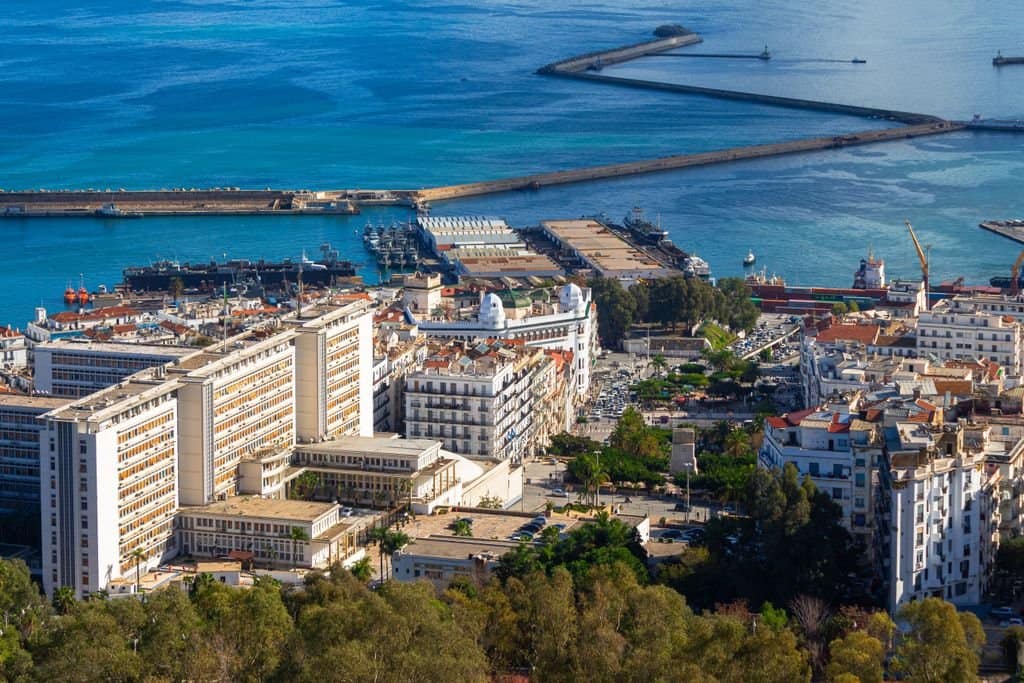
Algiers, the captivating capital of Algeria, is one of the most brilliant hidden gems along the Mediterranean coast. Famously nicknamed “Algiers la Blanche” (Algiers the White) due to the gleaming white-washed buildings that cascade dramatically down steep hills toward the blue sea, this city is a jaw-dropping blend of rich historical layers. Here, ancient Ottoman palaces and winding fortress alleyways sit right alongside grand French colonial boulevards and striking modern monuments.
For travelers looking to escape the traditional over-crowded tourist spots in 2026, Algiers offers a raw, authentic, and incredibly affordable North African experience. In this ultimate travel guide, we breakdown the absolute best places to visit, smart luxury options, daily costs, visa requirements, and practical insider hacks to plan your perfect Algiers adventure.
Capital : Algiers (The cultural and economic heartbeat of Algeria)
Local Currency: Algerian Dinar (DZD) (Essential for tracking your trip budget matrices)
Official Language: Arabic and Tamazight. French is universally spoken in restaurants and hotels, while English is growing fast among the youth.
Visa Type: A pre-approved tourist visa is strictly mandatory for most global passport holders (including Indians) before boarding.
Time Zone: CET (UTC+1)
Driving: Right side of the road
The Algiers Attractions
| Attraction | Best For | My Personal Experience |
|---|---|---|
| Casbah of Algiers | Deep History & Culture | I got lost here for three hours, and it was honestly the absolute best part of my entire trip. The alleys are incredibly narrow, the ancient buildings are beautifully crumbling, and the historic atmosphere is unmatched. I even met a warm local who invited me inside their traditional house for hot mint tea! |
| Martyrs’ Memorial (Maqam Echahid) | Photography & History | A massive, breathtaking concrete monument that towers over the entire city. The panoramic views from the top plaza are amazing, especially right at sunset. It sits a bit out of the main downtown way, but it is 100% worth the quick taxi ride. |
| Notre-Dame d’Afrique | Architecture & Ocean Views | A stunning, historic basilica sitting right on a steep cliffside hill. The view looking down over the blue bay is absolutely spectacular. I sat on the stone terrace here for over an hour just peacefully watching the grand container ships glide by. |
| Jardin d’Essai du Hamma | Nature & Deep Relaxation | A massive, 140-acre botanical garden. I spent over two hours walking around its grand avenues and saw exotic tropical plants from all over the world. It felt incredibly peaceful, quiet, and serves as a green paradise away from the chaotic city traffic. |
| Ketchaoua Mosque | Complex Architecture | Located right at the absolute foot of the Casbah hill. This grand building was originally an Ottoman mosque, then converted into a French cathedral, and restored back into an active mosque after independence. Walking past it makes you realize how fascinating the history of Algiers truly is. |
| Bardo Museum | Prehistoric Artifacts | A beautiful, quiet museum housed inside a magnificent former Ottoman mansion. It features a wonderful, intimate collection of traditional Algerian art, clothes, and ancient artifacts. I spent a very relaxing hour exploring its courtyard. |
| La Grande Poste | Neo-Moorish Design | A jaw-droppingly beautiful French colonial building located right at the heart of the city center. While the interior logistics are busy, I simply stood outside on the plaza for a long time just admiring the grand stone arches and carved domes. |
| Téléphérique (Cable Car) | Thrill & Aerial Views | The absolute funnest way to transit through this hilly capital! I took the public cable car from the lower port district straight up to the high ridge. The aerial views of the white city roofs and the deep blue sea were spectacular, and it cost me less than $1 USD! |
Top 5 Absolute Best Places to Visit in Algiers
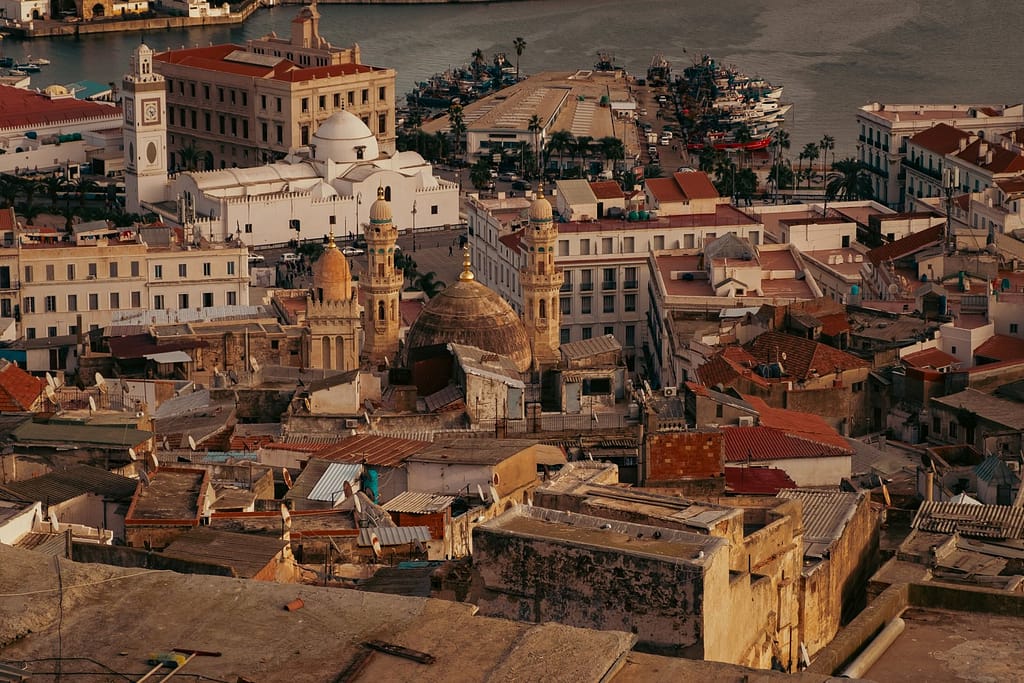
1. The Casbah of Algiers An Ancient Living Masterpiece
The Casbah is the historic, UNESCO-listed soul of Algiers. Built on a steep hill overlooking the ocean, this 16th-century Ottoman fortress neighborhood is a massive labyrinth of narrow, winding cobblestone alleys, traditional white-washed houses, hidden courtyards, and grand ancient mosques. Walking through the Casbah feels like stepping right back in time. You will hear the sounds of local copper craftsmen working, see old wooden doors with intricate carvings, and witness a vibrant community life that has remained unchanged for centuries.
My Personal Option for the Casbah: Never attempt to explore the Casbah entirely on your own without a local guide. Because it is a massive, confusing maze of thousands of identical alleys without clear street signs, it is incredibly easy to get lost. Hire a certified local independent guide who can walk you through the historic quarters safely, introduce you to local families inside traditional houses, and explain the revolutionary history of the neighborhood without paying massive tour agency fees.
My Secret Tip for the Casbah Experience: Start your tour at the very top of the hill near the ancient Citadel fortress and slowly make your downhill walk toward the sea. This prevents you from draining your energy climbing the thousands of steep stone steps. Halfway down, look for a small, traditional roof-top café. Sit down, order a hot cup of fresh Algerian mint tea brewed with local pine nuts, and enjoy a breathtaking view of the white houses meeting the blue Mediterranean sea.
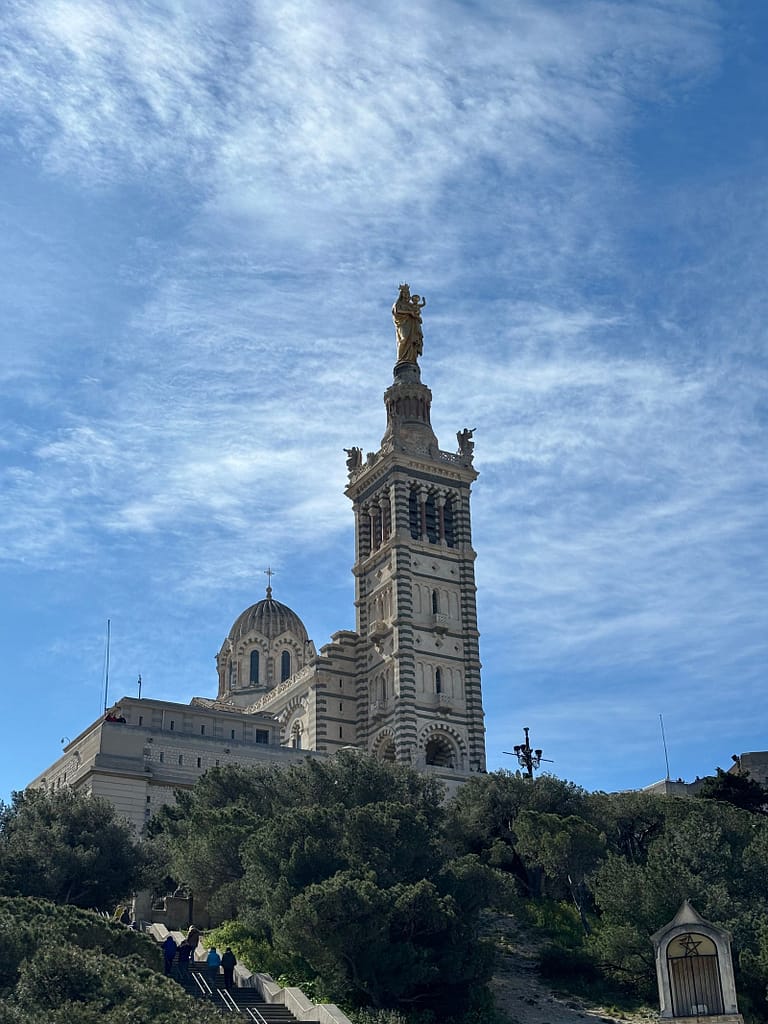
2. Notre Dame d’AfriqueThe Guardian of the Sea
Perched majestically on a 124-meter cliff looking out over the Bay of Algiers, Notre Dame d’Afrique (Our Lady of Africa) is a spectacular neo-Byzantine Catholic basilica completed in 1872. The church features a massive, beautiful blue dome and intricate stone carvings. It is famous for its unique symbolic architecture, designed so that the church choir faces the sea, praying for all sailors crossing the Mediterranean. It is a stunning, peaceful symbol of religious co-existence in Algiers.
My Personal Option for the Basilica: Skip the expensive private taxi bookings to reach the top of the cliff. Algiers features a fantastic, highly affordable public cable car system (Téléphérique). You can hop onto the cable car from the St. Eugene neighborhood for just a few Algerian Dinars. The short ride takes you soaring smoothly over the cliffside houses, providing an amazing panoramic aerial view of the city and the ocean layout at a fraction of the cost.
My Secret Tip for Basilica Photography: Plan your visit strictly for the late afternoon around 5:30 PM to catch the sunset. Walk out to the grand stone terrace right in front of the church. Watch the blazing golden sun sink behind the mountains, casting a gorgeous pink and orange glow over the massive white city below. It is the absolute finest sunset photo spot in all of Algiers.
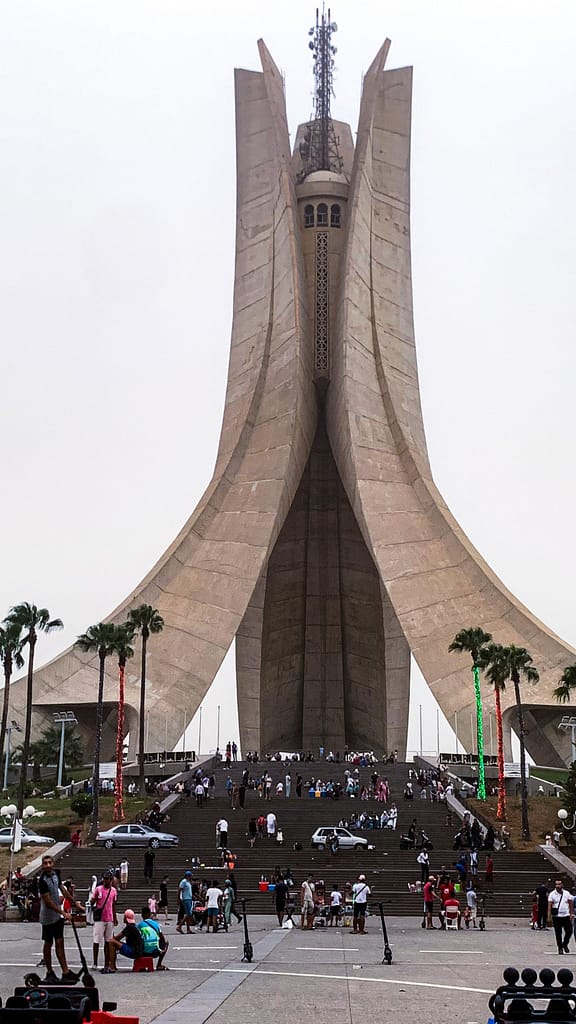
3. Maqam Echahid The Iconic Monument of Martyrs
Standing tall and visible from almost every single corner of the city, Maqam Echahid (The Monument of Martyrs) is a massive, breathtaking concrete structure opened in 1982 to mark the 20th anniversary of Algeria’s hard-fought independence from French rule. The monument is shaped beautifully as three massive palm leaves that join together to shield an eternal flame underneath. At the base of each leaf stands a massive stone statue representing a soldier from the war of independence. It is the absolute civic symbol of Algiers’ resilience.
My Personal Option for the Monument: The massive plaza surrounding the monument gets incredibly hot during midday because there is absolutely no shade. Plan your visit for the cooler late afternoon hours. Right underneath the monument plaza sits the subterranean National Museum of the Moudjahid. It is highly affordable to enter and houses an incredibly moving, raw collection of weapons, historical photographs, and personal diaries from the independence war that give immense context to the city.
My Secret Tip for the Monument Stroll: After exploring the monument, don’t rush back down via a taxi. Take a short, relaxing walk over to the adjacent Riadh El Feth shopping and cultural complex. It is packed with local art galleries, small artisanal coffee shops, and bookstores. Sit outside at a courtyard table, order a strong shot of traditional espresso, and watch local students and families gather—it is the best place to experience the modern lifestyle vibe of Algiers.
4. Jardin d’Essai del Hamma A Tropical Eden by the Sea
Established way back in 1832, the Jardin d’Essai del Hamma is a massive, 140-acre botanical garden located right in the heart of Algiers. It is universally recognized as one of the most important and beautiful tropical test gardens in the world. The park features an incredible contrast: one half is designed as a formal, symmetrical French classical garden lined with massive palm avenues, while the other half is a wild, dense English landscape garden filled with giant bamboo structures, exotic dragon trees, and massive weeping figs. Fun fact: this lush jungle garden was the actual filming location for the original 1932 Tarzan the Ape Man movie!
My Personal Option for the Gardens: The garden is completely massive, and walking the whole layout under the sun can drain your energy. Plan your visit on a weekday morning around 9:00 AM when the gates open. The entry ticket is incredibly cheap (just a few Dinars). Entering early guarantees you can stroll along the grand fountains and tree avenues in complete peace before the heavy school groups and weekend crowds arrive.
My Secret Tip for Gardens Transit: The absolute easiest way to reach the garden is by utilizing the modern Algiers Metro system. Take the metro line straight to the “Hamma” station. The station exit drops you literally right outside the main gates of the botanical garden, allowing you to bypass city traffic and save money on private metered cabs.
5. Ketchaoua Mosque A Journey Through Time
Located right at the foot of the Casbah, the Ketchaoua Mosque is a stunning historical building that beautifully tells the complex story of Algiers. Originally built as a grand mosque in the 14th century during Ottoman rule, it was forcefully converted into the Cathedral of St. Philippe by the French military in 1838. Following Algeria’s independence in 1962, it was gracefully restored back into an active Islamic mosque. The exterior features a magnificent blend of Moorish arches, Byzantine lines, and traditional white-and-blue tiles.
My Personal Option for the Mosque: Because it is an active house of worship, the interior is sometimes closed to casual tourists outside of daily prayer times. To view it respectfully, dress modestly covering your shoulders and knees. Walk into the grand square right in front of the mosque (Place des Martyrs), find a local pastry stall, grab a fresh Mille-feuille, and admire the jaw-dropping exterior architecture from a wooden bench.
Algeria Visa Requirements for Tourists
Algeria maintains a highly conservative tourism layout, meaning getting a visa requires strict planning. For passport holders from nations like India, the US, Canada, the UK, and Australia, a pre-approved tourist visa is completely mandatory before booking flights. You cannot get a visa-on-arrival at the terminal gates.
My Personal Option for the Visa Process: Never assume this is a fast setup. Start your paperwork at least 1.5 to 2 months before your trip. You must submit your physical passport, fully filled forms, proof of secure hotel bookings, 3 months of bank statements showing stable funds, a clear day-by-day itinerary layout, and most importantly, a formal Certificate of Accommodation stamped by local Algerian municipal authorities or a verified invitation letter from a registered Algerian tour agency.
Official Sovereign Visa Application Portals
To guarantee absolute authenticity and avoid scam platforms that charge fake processing fees, always download your official application guides directly from the sovereign portal managed by the Algerian Ministry of Foreign Affairs or your local embassy hub:
Official Algerian Ministry of Foreign Affairs Portal mae.gov.dz
Sip Traditional Mint Tea Overlooking the Bay
The slow café lifestyle is a massive part of Algiers’ identity. Head to the historic cliffside neighborhood of El Biar or downtown’s Boulevard Che Guevara. Find a traditional terrace café, order a fresh pot of hot sweet green tea brewed beautifully with fresh mint leaves and pine nuts, and spend an hour simply watching the grand container ships glide across the massive blue bay. It is a peaceful, authentic daily ritual.
Explore the Massive Neo-Classical Architecture of Downtown
Downtown Algiers looks like a slice of Paris dropped onto the North African coast. Take a long walking tour down grand colonial boulevards like Rue Didouche Mourad. Marvel at the massive, white 19th-century apartment buildings featuring beautiful wrought-iron balconies, explore historic plazas like Place Audin, and pop into local French-style bakeries for a fresh croissant or pastry.
Visit the Historic Grande Poste The Great Post Office
Located right at the heart of the city center, the Grande Poste is an absolute architectural masterpiece completed in 1910. Designed beautifully in the Neo-Moorish style, the exterior features massive stone arches and columns, while the interior boasts stunning gold-leaf geometric ceilings and traditional marble tiles. It is easily one of the most beautiful civic buildings on the planet.
Take the Public Cable Car to Scenic Viewpoints
Algiers is an incredibly hilly city, and its local transport reflects that flawlessly. Skip the crowded city buses and jump onto the public cable cars (Téléphériques). They connect the lower coastal districts to the high cliffside neighborhoods. For just a pocket-change price, you soar smoothly over the city roofs, providing a spectacular, thrill-filled aerial overview of the Mediterranean layout.
Feast on Massive Platters of Fresh Couscous and Grilled Lamb
You cannot visit North Africa without diving into its rich culinary world. Head to a traditional neighborhood Méchoui diner. Order a massive, steaming clay platter of slow-cooked Couscous topped with tender grilled lamb skewers, sweet chickpeas, local zucchini, and a rich, spicy broth. It is a hearty, unforgettable meal meant for sharing.
Hidden Gems in Algiers
The Basilique de Saint Augustin Annaba / Regional Connection
While Notre Dame d’Afrique gets all the tourist spotlight inside the city, travelers with extra time love exploring the deep ancient Christian history of Algeria. Taking a quick regional link flight out to see the ruins of Hippo Regius and the spectacular, restored Basilica of Saint Augustine provides an immense look into the ancient Roman layers of North Africa.
Palais des Raïs (Bastion 23)
Located right along the waterfront, Bastion 23 is a majestic row of three historic Ottoman palaces and six traditional houses completed in the 18th century. It serves as one of the finest preserved examples of Ottoman military and residential architecture. Walk through the ornate rooms to admire hand-painted tiles, dark wood ceilings, and stunning stone balconies looking right over the crashing ocean waves.
The Hidden Courtyards of El Hamma
While everyone explores the main avenues of the famous Botanical Garden, the adjacent residential streets of the El Hamma neighborhood hide beautiful, old Spanish-style courtyards and small local markets. Strolling through these quiet paths away from the main tourist trail lets you capture the authentic, raw lifestyle soul of the city.
Best Day Trips from Algiers
Tipaza: Roman Ruins by the Mediterranean Sea
Located a scenic 1.5-hour drive west of Algiers along the coastline, Tipaza is a spectacular UNESCO World Heritage site that you absolutely must visit. Here, the red stone ruins of an ancient Roman trading port sit literally right on the edge of the blue ocean. Walk through ancient stone amphitheaters, temples, and basilicas shaded by green pine trees, and visit the nearby Royal Mausoleum of Mauritania—a massive, mysterious circular stone structure looking over the valleys.
Cherchell: The Town of Ancient Statues
Drive just 30 minutes further west from Tipaza to reach the historic coastal town of Cherchell. Once a major Roman capital known as Caesarea Mauretania, this sleepy fishing town houses an incredible Archaeological Museum packed with some of the finest, most pristine Roman marble statues and mosaics in all of North Africa, offering a quiet alternative to busy global museums.
Cherchell Road Trip Tip
Renting a compact car in Algiers is highly affordable, but navigating the chaotic city center exit lanes is stressful. Take a local metered taxi out to the city edge or hire a private local driver for the day. Having your own vehicle lets you pull over at tiny, completely empty Mediterranean sand coves along the highway for a quick swim and lunch at local beachside seafood shacks.
Where to Stay in Algiers
Budget Tier Under 4,000 DZD Night
Algiers doesn’t have a massive network of standard social hostels like Europe, but you can find incredibly charming, family-run guesthouses (maisons d’hôtes) or budget hotels near the downtown center. They offer clean rooms, authentic hospitality, and hot traditional breakfasts for a very low price.
Mid-Range Tier 5,000 – 12,000 DZD Night
Perfect for private comfort. You can secure lovely modern apartments in trendy, safe neighborhoods like Hydra or Sidi Yahia, or traditional boutique hotels located right near the grand colonial boulevards of downtown Algiers.
Luxury Tier 20,000+ DZD / Night
For a premium experience, look into international 5-star properties like the El Aurassi Hotel or the Sofitel Algiers Hamma Garden. Pinned majestically onto the cliffs or sitting right next to the lush botanical gardens, they offer world-class luxury pools, high-end security layout, and spectacular panoramic views of the entire blue bay.
Transportation Guide
The Algiers Metro
The absolute finest, cleanest, and safest way to move through the lower districts of the city. The single metro line connects major hubs seamlessly, including the downtown center and the famous botanical gardens. Tickets cost just pocket change, helping you bypass heavy surface traffic easily.
Cable Cars (Téléphériques)
Because Algiers is built on steep cliffs, the public cable cars operate as a core transit method rather than just a tourist ride. They are highly efficient, run frequently, and smoothly soaring over the city roofs saves you massive taxi expenses when heading to spots like Notre Dame d’Afrique or the Martyrs Monument.
Trains & Buses
For regional day trips to spots like Tipaza, the national bus network operates reliable coach options. For cross-country travel to alternative Algerian gems like Constantine or Oran, booking a fast, comfortable ride on the national rail system (SNTF) is highly recommended.
Taxis & Ride-Hailing Apps
Standard street taxis are plentiful but always make sure to agree on a price beforehand or ensure they activate the meter. For a completely transparent, stress-free setup, download local ride-hailing apps like Yassir or Heetch on your phone wallet. It works identically to Uber and lets you lock in fixed budget rates safely.
The Ultimate Algiers Route Itinerary Planners
3-Day Itinerary (The Core White City Highlights)
Day 1: Arrive at Algiers Houari Boumediene Airport and take a quick taxi to your central accommodation. Head straight downtown to admire the stunning Neo-Moorish architecture of the Grande Poste. Walk down the French colonial avenue of Rue Didouche Mourad and grab dinner at a traditional neighborhood diner.
Day 2: Spend your morning taking a guided walking tour through the ancient, winding alleys of the UNESCO-listed Casbah. Sip mint tea at a rooftop terrace, head down to the waterfront to see the palaces of Palais des Raïs (Bastion 23), and catch a spectacular sunset from the grand terrace of Notre Dame d’Afrique.
Day 3: Take the modern metro line to explore the lush, tropical jungle avenues of Jardin d’Essai del Hamma. Take the adjacent cable car up the cliff to visit the massive Monument of Martyrs, explore the subterranean museum below, and enjoy a final strong shot of espresso at the Riadh El Feth complex before your departure.
5-Day Itinerary (Algiers & Ancient Roman History)
Day 1–3: Complete the core city highlights covering the historic Grande Poste, the breathtaking Casbah alleys, Notre Dame d’Afrique, and the massive Botanical Gardens (as mapped out in the 3-day layout above).
Day 4: Hire a private local driver or join a small eco-tour to head west along the Mediterranean highway. Spend your full day exploring the spectacular coastal Roman ruins of Tipaza, walk through ancient temples right next to the blue ocean waves, and stop to photograph the mysterious Royal Mausoleum of Mauritania.
Day 5: Head into the upscale district of Hydra or Sidi Yahia for morning shopping at local craft boutiques. Grab fresh Algerian pastries and sweet dates at a local market, take a final relaxing stroll along the waterfront promenade of Boulevard Che Guevara, and head to the airport for your flight home.
7-Day Itinerary The Deep Algerian Experience
Day 1: Welcome to Algiers. Arrive in the city, check into your boutique room, and relax at a downtown colonial square to absorb the unique French-Arab atmosphere.
Day 2: The Heart of the Casbah. Spend a full day exploring the deep historical steps and copper workshops of the ancient Casbah fortress with a certified local guide.
Day 3: Botanical Edens & Monuments. Take the metro to Jardin d’Essai for a quiet morning forest walk, and catch the cable car up to the grand Monument of Martyrs for sunset views over the entire bay.
Day 4: Coastline Road Trip to Tipaza. Embark on a spectacular day trip to the ancient Roman trading port ruins of Tipaza, and enjoy fresh-caught grilled sardines for lunch at a local beachside shack.
Day 5: The Statues of Cherchell. Drive slightly further west to explore the pristine marble statues and mosaics inside the historic Archaeological Museum of Cherchell. Return to Algiers for a late dinner.
Day 6: Hidden Waterfront Palaces. Spend your morning exploring the beautiful hand-painted tiles and stone balconies of Bastion 23 right along the crashing sea waves. Spend your evening listening to live music at a local arts complex.
Day 7: Last-Minute Souvenirs & Departure. Spend your final morning buying handmade brass wares, traditional textiles, or local olive oil at the markets, grab a final outdoor mint tea, and head to the airport for your international connection.
Food Guide: What to Eat in Algiers
Algiers’ culinary landscape is a mouth-watering combination of Berber, Ottoman, Arabic, and French colonial traditions. Food here is heavily focused on aromatic spices, slow-cooked meats, and fresh Mediterranean seafood. Make sure to track down these local specialties across neighborhood markets:
Couscous
The absolute national dish of Algeria. Unlike commercial versions found elsewhere, authentic Algerian couscous is painstakingly rolled by hand and steamed multiple times over a rich, simmering broth. It is served beautifully in a massive clay platter, topped with melt-in-your-mouth grilled lamb or chicken, sweet chickpeas, turnip slices, carrots, and a flavorful spiced gravy.
Chorba Frik
The ultimate comfort soup of Algiers, heavily consumed during traditional family gatherings. It is a rich, crimson tomato-based soup slow-cooked with tender chunks of lamb, chickpeas, coriander, fresh mint, and cracked green wheat known as frik. It is deep, hearty, and traditionally enjoyed alongside a crispy, fried turnover pastry called Bourek.
Méchoui
A meat lover’s ultimate dream. Méchoui is a whole lamb seasoned thoroughly with local spices, garlic, and butter, then slow-roasted over open charcoal pits for hours until the meat becomes so unbelievably tender that it pulls apart effortlessly with your fingers.
Algerian Pastries & Mint Tea
For dessert, head to a local bakery and order Baklawa (the Algerian version made elegantly with layers of flaky pastry, crushed almonds, and orange blossom honey) or Makroudh (semolina pastry stuffed with sweet date paste and fried to golden perfection). Pair these sweets with a hot, steaming glass of traditional fresh mint tea brewed over raw pine nuts.
Nightlife in Algiers
Nightlife in Algiers is deeply relaxed, conservative, and focused heavily on café culture rather than high-energy clubs. The city comes alive after the evening prayers when thousands of local families and young students head down to the seaside promenade of Boulevard Che Guevara or upscale districts like Hydra. Sidewalk cafés remain completely packed until midnight, filled with laughter, strong espresso shots, and live acoustic music.
Shopping Guide: What to Buy
Handmade Copper & Brass Wares: The ancient craftsmen inside the lower alleys of the Casbah produce stunning, hand-hammered copper plates, traditional tea sets, and ornate brass lamps that make incredible souvenirs.
Algerian Dates (Deglet Nour): Universally recognized as the finest, sweetest, and highest-quality dates on the planet. Grab a few boxes from local covered markets at dirt-cheap prices.
Painted Ceramic Tiles: Beautiful, traditional Ottoman-style hand-painted ceramic tiles featuring complex geometric patterns that make gorgeous wall decor setups.
Currency & Budget Guide
Algiers operates completely on the Algerian Dinar (DZD). To help you budget effectively for 2026, here is a transparent look at what you can expect to spend daily per person:
Backpacker Budget: 2,500 – 4,000 DZD / Day (Covers a budget central room, bakery breakfasts, local street food lunches like Garantita, and exploring free plazas and viewpoints via public metro).
Mid-Range Budget: 6,500 – 12,000 DZD / Day (Covers a modern holiday apartment or boutique hotel room, utilizing ride-hailing apps like Yassir, sit-down couscous dinners, and hiring a local guide for the Casbah).
Luxury Budget: 25,000+ DZD / Day (Covers international 5-star cliffside properties, private drivers for regional Roman ruins, fine dining, and exclusive guide mappings).
ATM, Credit Cards & SIM Info
Western Australia and Europe are nearly cashless, but Algiers is a strictly cash-based society. Credit and debit cards are rarely accepted outside of massive international 5-star hotels. ATMs are available inside central banks, but they can occasionally run out of cash or reject foreign international cards, so carrying emergency cash (Euros or USD) to convert at local exchange offices is highly recommended. For mobile data, major networks like Djezzy, Mobilis, and Ooredoo offer excellent 4G/5G connectivity inside city limits. You can easily secure affordable tourist SIM cards or travel eSIMs right at the airport arrivals terminal.
Travel & Packing Checklist
Sturdy Sneakers with Serious Grip: The historic stone steps inside the ancient Casbah are incredibly steep, worn down, and slippery. Leave sandals at home and wear broken-in walking shoes to avoid nasty falls.
Smart Conservative Clothing: Algiers is a traditional, respectful Islamic city. Pack lightweight linen trousers, long skirts, and t-shirts that comfortably cover your shoulders and knees to blend in perfectly with locals.
Durable Power Adapter: Algeria uses standard Type C and Type E round two-pin European outlets running on a 230V framework.
Physical Travel Insurance Printouts: Keep physical printouts of your passport, hotel vouchers, and mandatory health policies handy, as customs officers audit these metrics thoroughly during entry protocols.
Safety & Wildlife Hacks to Avoid Danger
Algiers is a highly safe city with an immense security presence, and violent crime against tourists is practically non-existent. However, exercising basic travel caution is always smart.
Avoid Flashy Displays: Keep your expensive cameras and high-spec smartphones tucked away inside your bags when walking through dense, crowded market zones to avoid petty pickpocketing.
Stay in Regulated Vehicles: Avoid jumping into unlicensed, unmetered private street cars. Always use local regulated ride-hailing apps like Yassir or Heetch to lock in secure, transparent transit rates safely.
Respect Local Sensitivity: Never film or photograph military checkpoints, police officers, government buildings, or local women without explicit permission—it is strictly illegal and highly offensive.
Travel Mistakes to Avoid
Expecting a Fast Visa Setup: Getting an Algerian tourist visa takes time and requires a mountain of paperwork. Never book fully paid, non-refundable flight tickets until your visa is physically stamped inside your passport.
Skipping the Local Guide for the Casbah: Trying to explore the Casbah without a local guide is a massive mistake. You will get intensely lost within minutes inside the thousands of identical winding alleyways and miss the incredible underground history.
Forgetting to Carry Plenty of Cash: Trying to swipe your credit card at local cafés or souvenir stalls will result in constant rejections. Always ensure you have a pocket full of Algerian Dinars before leaving your hotel room.
Sustainable Travel Tips
Always carry a durable, reusable water bottle to reduce single-use plastic waste (Filtered water is highly useful for international travelers).
Support the local economy directly by purchasing handmade brass wares and traditional pastries directly from family-run workshops inside the Casbah.
Respect historical preservation frameworks—never disturb, climb, or leave trash behind when exploring ancient UNESCO stone ruins or heritage sites.
Solo, Family & Digital Nomad Guides
Solo Travelers: Highly rewarding if you love raw, authentic destinations completely away from global commercial tourism. Stay in central guesthouses to easily coordinate travel routes with friendly local hosts.
Families: Algiers is deeply family-oriented. Local children are highly welcomed, and the massive tropical avenues of the Botanical Garden provide an incredible, safe sanctuary for a fun family day out.
Digital Nomads: While central districts like Hydra feature decent 4G+ connectivity and trendy cafés, the strict visa layout and cash-based system make it better suited for a historic discovery vacation rather than long-term remote work.
Local Etiquette & Social Protocols
The people of Algiers are incredibly warm, proud, and legendary for their hospitality. Always greet locals with a friendly “Salam” (Peace/Hello) or a simple French “Bonjour”. If someone invites you into their home or shop for mint tea, accept it gracefully—it is a sincere gesture of welcome. Tipping is not aggressively forced here like in North America, but rounding up the bill or leaving a small 5% to 10% cash tip for exceptional restaurant service is deeply appreciated by local servers.
Algiers Travel Statistics 2025
Algiers remains an incredibly exclusive and pristine capital destination, welcoming a growing demographic of eco-conscious global travelers annually. According to recent tourism frameworks, the highest volume of international arrivals comes from France, Spain, Italy, China, and a rapidly expanding market from North America and Asia. The average length of stay ranges from 3 to 7 nights, with nearly 85% of all itineraries including a historical coastal road trip out to the majestic Roman ruins of Tipaza.
Frequently Asked Questions (FAQ)
Do I need a visa to travel to Algiers?
Yes, a pre-approved tourist visa is completely mandatory for almost all global passport holders (including Indians, US, and UK citizens) before boarding your flight. Visa-on-arrival is not available at the terminal gates.
What is the best month to visit Algiers on a budget?
The shoulder months of April to May and September to October are the absolute finest sweet spots. You will experience gorgeous, mild Mediterranean weather, but hotel rates and flight ticket pricing drop significantly.
Is it safe to drink the tap water in Algiers?
While tap water is generally filtered inside high-end international hotels, it is highly recommended for international tourists to drink bottled, filtered, or boiled water daily to ensure complete stomach comfort.
Which app should I use for taxis in Algiers?
Download local ride-hailing apps like Yassir or Heetch on your phone. They work identically to Uber and lock in transparent, fixed budget fares safely, saving you from unmetered taxi overcharging.
People Also Ask (PAA)
Is Algiers expensive for tourists? Not at all. Algiers is incredibly affordable due to favorable exchange rates, allowing you to enjoy massive traditional meals, historic tours, and clean transit passes for very low prices.
How many days do you need in Algiers? A 3-day itinerary is perfect to cover the core city highlights, while a 5 to 7-day tour allows you to seamlessly explore the spectacular coastal Roman ruins of Tipaza.
What language is spoken in Algiers? Arabic and Tamazight are the official languages, but French is universally understood and spoken across all hotels and restaurants, while English is growing incredibly fast.
Algiers is a destination that captures your soul effortlessly. It doesn’t just show you beautiful sights; it teaches you a raw, resilient, and completely unhurried way of living. From the absolute pure joy of sipping fresh mint tea on a cliffside patio overlooking the massive blue Mediterranean waves to walking past the stunning, white colonial towers of downtown, the White City is an absolute masterpiece of North Africa. Plan your route layout strategically, secure your visas early, and let your ultimate Algiers adventure begin! ¡Buen viaje!
Please note: These prices are subject to change based on season
Explore more on b11online.com
For more details, check the official Algiers Tourism Website.” mta.gov.dz