
Rating: 4.9 / 5
Japan is the perfect fusion of ancient tradition and hyper-modern technology. Whether you are chasing the neon lights of Tokyo, the serene temples of Kyoto, or the powder snow of Hokkaido, this guide will help you plan an unforgettable journey in 2026. From the latest eVisa rules to iconic sights, local etiquette, cost-saving passes, and authentic cultural experiences, this resource distills everything you need, so you can travel with confidence and avoid unpleasant surprises.
📌 Why Visit Japan in 2026?
Japan continues to top global travel lists for good reason. 2026 brings a wave of new experiences that make this year extraordinary:
- Frictionless eVisa for Indians: Since April 2024, Indian passport holders can apply online for a single‑entry, short‑stay visa, making the pre‑trip process faster and more straightforward.
- Major New Attractions: From the massive PokéPark Kanto to the Imperial Hotel Kyoto and the Museum of Narratives Takanawa, exciting new sites await visitors in 2026.
- Record Inbound Tourism: More than 42 million international travellers visited Japan in 2025, and the country is ready to welcome even more with improved infrastructure and services.
- Authenticity Beyond the Golden Route: Destinations like Ishikawa, Nagasaki, Okinawa, and Hokkaido are now featured as top places to go, offering rich cultural experiences without the crowds.
🗺️ Top Destinations in Japan
To help you plan, here is a convenient comparison of the most rewarding regions.
| Destination | Highlights | Best For |
|---|---|---|
| Tokyo | Shibuya Sky, Senso-ji, Tsukiji Outer Market, Akihabara, Odaiba | City life, shopping, pop culture, world‑class dining |
| Kyoto | Fushimi Inari, Kinkaku-ji, Gion district, Arashiyama Bamboo Grove | Traditional Japan, temples, gardens, tea ceremonies |
| Osaka | Dotonbori street food, Osaka Castle, Universal Studios Japan, Shinsekai | Food, nightlife, family fun |
| Hokkaido | Sapporo Snow Festival, Niseko ski resorts, lavender fields in Furano | Winter sports, nature, fresh seafood |
| Hiroshima & Itsukushima | Peace Memorial Park, Miyajima’s floating torii gate | History, spiritual reflection |
| Kanazawa & Shirakawa‑go | Kenroku-en Garden, samurai districts, traditional gassho‑zukuri farmhouses | Authentic traditional architecture, quiet charm |
| Nagasaki | Glover Garden, Nagasaki Peace Park, Dejima | Historic port city, unique fusion of cultures |
| Okinawa | Shurijo Castle, tropical beaches, distinctive Ryukyu cuisine | Beach holidays, subtropical nature |

📜 Japan Visa for Indian Citizens (Updated 2026)
Indian passport holders need a visa to enter Japan. Fortunately, the eVisa system has simplified the process for short‑term tourist visits.
eVisa (Single‑Entry, up to 90 Days)
Eligible Indian residents can apply completely online. The digital visa will be linked to your passport; no physical sticker is required. The eVisa is primarily for single‑entry, short‑term tourism.
Traditional Sticker Visa
If you prefer a conventional paper visa, you can still apply through the Japan Visa Application Centre (VFS). As of March 2, 2026, applicants in Chennai, Cochin, Hyderabad, Puducherry, and Bengaluru must pre‑book appointments online before visiting the centre. Delhi and other cities follow separate rules.
Required Documents (eVisa & Paper)
- Valid passport with at least 6 months’ validity and two blank pages.
- Completed visa application form.
- One recent passport‑size photograph (4.5×4.5 cm, white background).
- Confirmed round‑trip flight itinerary.
- Day‑by‑day travel schedule and hotel reservations.
- Proof of financial means (bank statements, salary slips).
- Travel insurance (recommended but not yet mandatory).
Visa Fee: Approximately ₹2,300 for single or multiple entries (subject to change).
✈️ Getting There & Getting Around
Japan has an incredibly efficient and punctual transport system.
International Airports
- Tokyo Narita (NRT) – main hub for international flights.
- Tokyo Haneda (HND) – closer to the city centre.
- Kansai International (KIX) – gateway to Osaka, Kyoto, and western Japan.
- Chubu Centrair (NGO) – access to Nagoya and central Japan.
- New Chitose (CTS) – best for Hokkaido.
Japan Rail Pass (JR Pass) – Is It Still Worth It in 2026?
The nationwide JR Pass allows unlimited travel on most JR trains, including the Shinkansen (bullet trains). Important price update effective 1 October 2026: the 7‑day Ordinary Pass will increase to around 53,000 yen (from the current 50,000 yen). 14‑day and 21‑day passes will also see proportional increases. If you plan a classic “Golden Route” itinerary (Tokyo ‑ Kyoto ‑ Osaka), the pass typically starts paying off after the second Shinkansen ride and can save you around 22% compared to buying individual tickets.
🚅 Buy JR Pass✈️ Book Flights🏨 Reserve Hotels🎟️ Book Tours
🏨 Where to Stay (Price Guide)
| Budget Level | Accommodation Type | Price per Night (JPY) | Price per Night (INR approx) |
|---|---|---|---|
| Backpacker | Capsule hotel / hostel dorm | 3,000 – 6,000 | 1,700 – 3,400 |
| Budget | Business hotel / budget chain | 6,000 – 12,000 | 3,400 – 6,800 |
| Mid‑range | 3‑star hotel / comfortable ryokan | 12,000 – 25,000 | 6,800 – 14,000 |
| Luxury | 5‑star hotel / luxury ryokan | 30,000+ | 17,000+ |
Note: Major cities like Tokyo and Kyoto are noticeably more expensive. A small city tax and an international departure tax (JPY 3,000 from July 2026) may be added.
🍣 Must‑Try Food & Culinary Experiences
- Sushi & Sashimi: The freshest fish at Toyosu Market (Tokyo) or local sushi-ya.
- Ramen: Regional varieties – tonkotsu (pork bone), shoyu (soy sauce), miso.
- Okonomiyaki: Savoury pancake cooked right at your table.
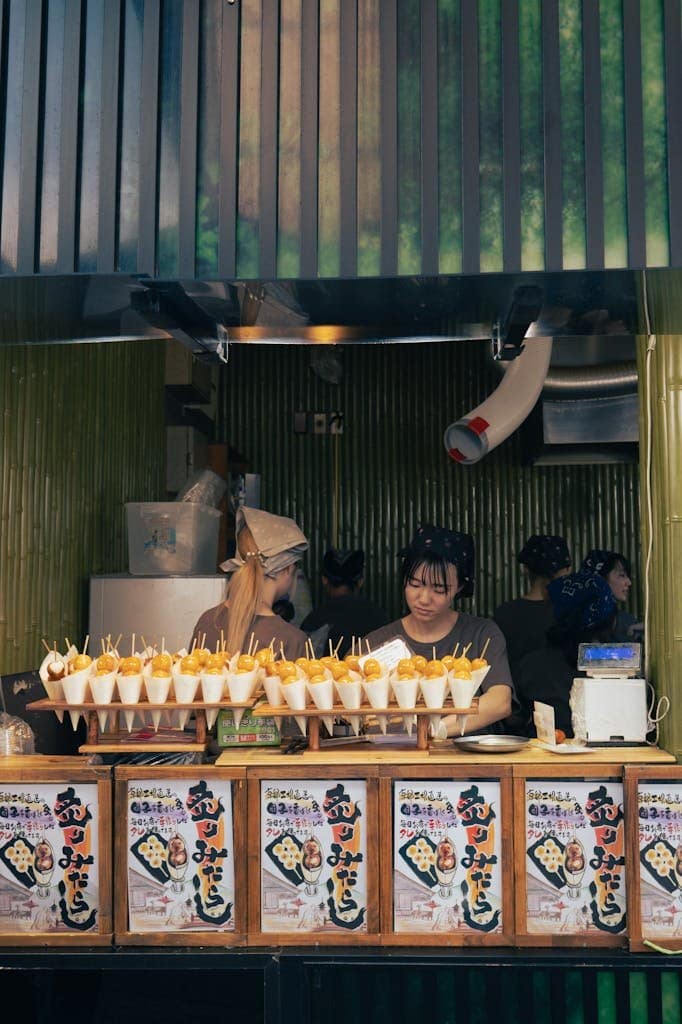
- Takoyaki: Octopus balls, a must‑try Osaka street snack.
- Kaiseki: Multi‑course haute cuisine that showcases seasonal ingredients.
- Matcha & Wagashi: Traditional green tea and delicate sweets, especially in Kyoto.
- Convenience store meals: Surprisingly high‑quality onigiri, sandwiches, and bento boxes.
🗓️ Sample Itineraries
7‑Day Classic Golden Route (Tokyo, Hakone, Kyoto, Osaka)
- Day 1‑2 Tokyo: Shibuya, Shinjuku, Meiji Shrine, Senso‑ji, teamLab Planets.
- Day 3 Hakone: day trip to see Mt. Fuji, ride the Hakone Tozan Railway, soak in an onsen.
- Day 4‑5 Kyoto: Fushimi Inari, Kinkaku-ji, Gion geisha district, Arashiyama bamboo grove.
- Day 6 Osaka: Dotonbori street food, Osaka Castle, Universal Studios Japan (optional).
- Day 7 Nara: Todaiji Temple, friendly deer in Nara Park, then depart from Osaka/Kansai Airport.
14‑Day Deeper Japan (Tokyo, Matsumoto, Kanazawa, Shirakawa‑go, Kyoto, Hiroshima)
- Days 1‑3 Tokyo: full city immersion.
- Day 4 Matsumoto: Japan’s original “black crow” castle.
- Day 5‑6 Kanazawa: Kenroku-en Garden, samurai and geisha districts.
- Day 7 Shirakawa‑go: UNESCO gassho‑zukuri farmhouses.
- Days 8‑10 Kyoto: enjoy the cultural heart of Japan.
- Day 11‑12 Hiroshima & Miyajima: Peace Park and floating torii gate.
- Day 13‑14 Return to Tokyo or depart from Hiroshima Airport.
💰 Estimated Daily Budget (2026)
| Travel Style | Daily Cost (JPY) | Daily Cost (INR approx) | What’s Included |
|---|---|---|---|
| Backpacker | 7,000 – 9,000 | 4,000 – 5,100 | Hostel dorm, convenience store meals, local transit, free/cheap attractions |
| Standard / Mid‑range | 15,000 – 25,000 | 8,500 – 14,000 | Business hotel, combination of street food and restaurants, regional transit (JR Pass), moderate sightseeing |
| Luxury / Splurge | 40,000+ | 22,500+ | Luxury hotel, fine dining (kaiseki), private guides, first‑class rail, premium experiences |
Costs exclude international flights, the JR Pass and the new JPY 3,000 departure tax (effective July 2026). The 7‑day JR Pass will be around 53,000 yen from October 2026.
🎒 Essential Travel Tips & Etiquette
- Onsen etiquette: Wash thoroughly before entering the bath; tattoos may restrict access (cover with small patches or choose a tattoo‑friendly onsen).
- Shoes off: Remove outdoor shoes before entering homes, some ryokan, temples, and traditional restaurants.
- Punctuality: Trains and buses leave exactly on time. Arrive a few minutes early.
- Cash is still king: Although card acceptance has grown, many smaller shops, temples, and rural eateries only take cash. Carry 10,000‑15,000 yen daily.
- IC cards: Suica or Pasmo cards make local travel, convenience store payments, and vending machine purchases effortless. Buy them at any major station.
- Luggage delivery: Use takkyubin (kimono‑based courier service) to send your suitcases from one hotel to the next – it saves hours of dragging bags through train stations.
🌐 Practical Resources
- Japan Official Travel App: Free offline maps, transport info, and disaster alerts.
- JR Pass Calculator: Helps you decide if a regional or national pass fits your itinerary.
- SIM Card / Pocket WiFi: Pick up at airport arrival halls; data is essential for Google Maps and translation.
- Google Translate: Camera mode translates menus and signs instantly.
🌿 Sustainable & Responsible Travel
To protect Japan’s cultural and natural treasures, follow these simple guidelines:
- Avoid peak seasons if possible – spring (mid‑March to early April) and autumn (November) are stunning but crowded. Consider late May, September, or winter for fewer tourists.
- Stay on marked paths at temples, shrines, and in bamboo forests.
- Carry a reusable water bottle – public fountains and most hotels provide safe drinking water.
- Use eco‑friendly luggage transfer services and avoid single‑use plastics.
- Support local crafts and family‑run guesthouses rather than large international chains.