Rating: 4.8/5
Overview
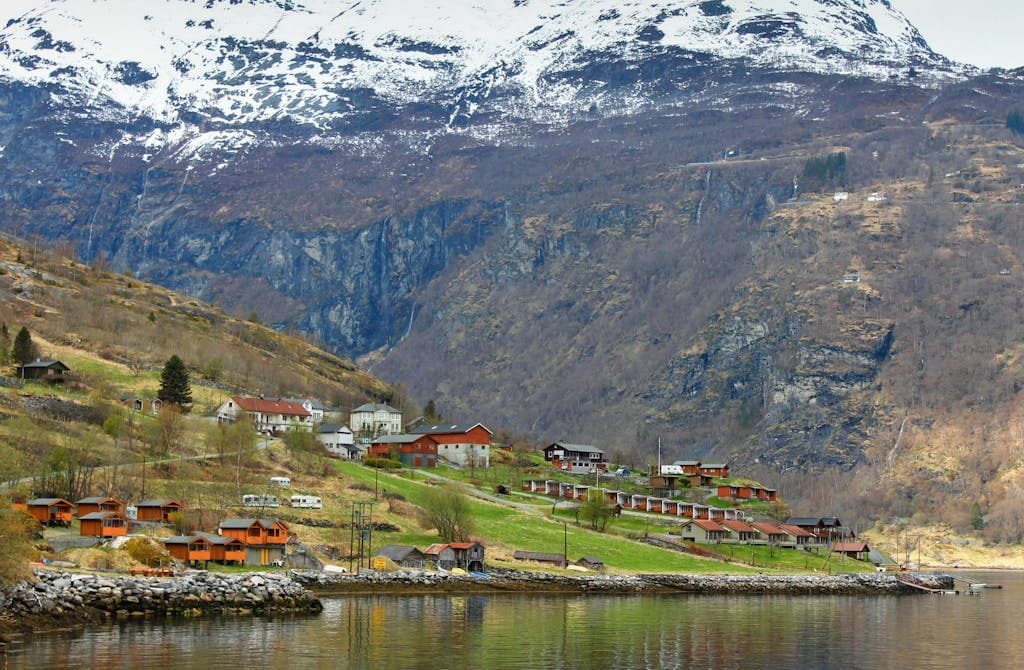
Norway is a land of epic contrasts: deep, silent fjords carved by ice‑age glaciers; mountains that kiss the sky; the hypnotic dance of the Northern Lights; and the eerie glow of the midnight sun. In 2026, this Nordic gem remains one of Europe’s most captivating – and surprisingly safe – destinations. From the vibrant capital Oslo to the Arctic gateway of Tromsø, and from the UNESCO‑listed Geirangerfjord to the wild Lofoten archipelago, Norway offers an unforgettable blend of raw nature, rich Viking history, and modern Scandinavian cool. This comprehensive guide covers everything first‑time visitors need to know: visas, costs, must‑see sights, transport, food, accommodation, and essential travel tips.
Norway is consistently ranked as one of the best countries in the world for quality of life, and its tourism infrastructure is world‑class. English is widely spoken, tap water is safe and delicious, and crime rates are extremely low. The biggest challenge for most travellers is the cost – but with clever planning, you can enjoy the Norwegian dream without breaking the bank.
Entry Requirements & Visas (For Indian Passport Holders)
Norway is part of the Schengen Area. A short‑stay for tourism or business (up to 90 days within any 180‑day period) requires a Schengen Visa (Type C).
Visa Fee & Processing
- Adult visa fee: approximately €90 (around ₹7,500)
- Processing time: 15–20 working days (apply at least 4 weeks before travel)
Required Documents
- Valid passport with at least 2 blank pages, issued within the last 10 years, and valid for at least 3 months beyond your planned departure from the Schengen area.
- Completed visa application form.
- Two recent passport‑size photographs (35×45 mm, white background).
- Round‑trip flight booking and confirmed hotel reservations for the entire stay.
- Detailed day‑by‑day itinerary.
- Travel medical insurance with minimum coverage of €30,000.
- Bank statements for the last 6 months and recent income tax returns (proof of sufficient funds).
Pro Tip: Apply through the Norway Visa Application Centre managed by VFS Global in Delhi, Mumbai, Kolkata, Chennai, Bengaluru, Hyderabad, or Cochin. Book an appointment online well in advance; walk‑in slots are rarely available.
Best Time to Visit Norway
| Season | Months | Weather | Highlights |
|---|---|---|---|
| Summer | June – August | Mild 12–20°C, long days (midnight sun above the Arctic Circle) | Fjord cruises, hiking, coastal islands, Lofoten, Bergen |
| Winter | November – March | Cold –5 to 3°C, short days, frequent snow | Northern Lights, dog sledding, snowshoeing, cosy cities |
| Spring | April – May | Unpredictable, temperatures rise, snow melts | Waterfalls at full flow, fewer crowds, lower prices |
| Autumn | September – October | Crisp 5–10°C, stunning golden foliage, elk rutting season | Photography, hiking without summer crowds, first chance of Northern Lights |
Best months for first‑time visitors: June, July, and August offer the warmest weather, the most reliable transport (ferries, mountain roads open), and all tourist facilities running. If you want to chase the Northern Lights, aim for October – March.
How to Reach Norway
By Air (Easiest)
The main international airports are Oslo Gardermoen (OSL), Bergen Flesland (BGO), and Tromsø Langnes (TOS). Direct flights from major European hubs. From India, you will have one stopover, usually in Doha, Dubai, Istanbul, Frankfurt, or London.
- Qatar Airways, Emirates, Turkish Airlines, Air France, KLM, Lufthansa all offer one‑stop connections from Delhi, Mumbai, Bengaluru, Chennai, and Hyderabad.
- SAS – Scandinavian Airlines – also offers convenient connections via Copenhagen or Stockholm.
By Train from Europe
The most scenic overland approach is from Sweden. Take the high‑speed SJ train from Stockholm to Oslo (about 5–6 hours), or the overnight sleeper train from Stockholm to Narvik (above the Arctic Circle). This route offers spectacular views of Swedish and Norwegian forests, lakes, and mountains.
By Ferry from Denmark or Germany
Color Line and DFDS operate car ferries from Kiel (Germany) and Hirtshals (Denmark) to Oslo, Kristiansand, Larvik, and Stavanger. The journey is an experience in itself, with onboard restaurants, cabins, and often live music.
Getting Around Norway
🚆 Trains (Best for Long Distances)
Norwegian State Railways (Vy) operates comfortable, punctual trains connecting major cities. Key scenic routes:
- Oslo – Bergen: 7 hours, across the Hardangervidda mountain plateau – one of Europe’s most beautiful train journeys.
- Oslo – Trondheim: 7 hours, passing through Gudbrandsdalen valley.
- Trondheim – Bodø (Nordlandsbanen): 10 hours, crossing the Arctic Circle.
🚌 Buses
Buses fill the gaps where trains don’t run. Vy express and Nor‑Way Bussekspress connect smaller towns and national parks. Buses are modern, have free Wi‑Fi, and are punctual.
⛴️ Ferries & Hurtigruten (Coastal Express)
The Hurtigruten is a legendary coastal voyage that calls at 34 ports between Bergen and Kirkenes – often called “the world’s most beautiful sea voyage.” It runs year‑round, and you can book a cabin for 2–12 days. For shorter fjord cruises, local ferries like the Geiranger – Hellesylt route and the Flåm – Gudvangen (Nærøyfjord) are must‑do experiences.
✈️ Domestic Flights
For long distances, especially to the north (Tromsø, Kirkenes, Lofoten), flying is time‑efficient. SAS and Norwegian offer frequent flights from Oslo, Bergen, Trondheim, and Stavanger.
🚗 Car Rental
Driving is the most flexible way to explore the fjords and the Lofoten islands. An International Driving Permit (IDP) is recommended. Many mountain roads (like the Trollstigen) are open only from June to August. Book well in advance for summer travel.
Recommended rental companies: Hertz, Avis, Europcar, Sixt. Prices from €50–€120 per day.
🏞️ Top Destinations in Norway
| Destination | Highlights | Best For |
|---|---|---|
| Oslo | Viking Ship Museum (soon to reopen in new building), Munch Museum, Frogner Park with Vigeland sculptures, Oslo Opera House, Sauna culture in the fjord | City life, art, history, food |
| Bergen | Bryggen Wharf (UNESCO), Fløibanen funicular, Fish Market, gateway to the fjords | Hanseatic history, culture, fjord cruises |
| Geirangerfjord | UNESCO World Heritage, Seven Sisters waterfall, Flydalsjuvet viewpoint, Eagle Road | Iconic fjord scenery, cruising, photography |
| Sognefjord | Nærøyfjord (UNESCO), Flåm Railway, Stegastein viewpoint, kayaking | Fjord adventures, hiking, railway journeys |
| Lofoten Islands | Dramatic peaks, fishing villages (Reine, Å), midnight sun, Northern Lights, hiking, surfing | Nature, photography, outdoor activities |
| Tromsø | Arctic Cathedral, Polaria Museum, cable car up Storsteinen, Northern Lights tours, whale watching | Northern Lights, Arctic experiences, winter activities |
| Stavanger | Pulpit Rock (Preikestolen), Old Town, oil museum | Iconic hikes, coastal charm |
| Trondheim | Nidaros Cathedral, Bakklandet old town, Kristiansten Fortress | History, student vibe, architecture |
| Ålesund | Art Nouveau architecture, Mount Aksla viewpoint, gateway to Geiranger and Trollstigen | Design, coastal scenery |
| Nordkapp (North Cape) | The northernmost point of mainland Europe (71°N), midnight sun, cliffs | Reaching the top of Europe |
🏨 Where to Stay
| Budget | Price Range (per night, for two) | Examples |
|---|---|---|
| Budget Hostels | €30 – €70 | HI Hostels (many locations), Oslo Hostel Central, Bergen YMCA Hostel |
| Mid‑Range Hotels | €120 – €200 | Thon Hotels (great breakfast included), Scandic, Comfort Hotel Xpress |
| Luxury Hotels | €250+ | The Thief (Oslo), Opus XVI (Bergen), Britannia Hotel (Trondheim) |
| Cabins / Rorbuer (Fisherman‘s Cabins) | €100 – €200 | Eliassen Rorbuer (Lofoten), Lofoten Rorbu Lodge |
Pro Tip: Book accommodation in popular fjord areas and Lofoten at least 3–6 months in advance for summer travel; they sell out early.

🍽️ Must‑Try Norwegian Foods
| Dish | Description | Where to Try |
|---|---|---|
| Fårikål | National dish: lamb slow‑cooked with cabbage, peppercorns, and whole black pepper | Home‑style restaurants, particularly in autumn |
| Rakfisk | Fermented trout – an acquired taste, often eaten with flatbread, sour cream, and red onion | Traditional food festivals, Hedmark region |
| Pinnekjøtt | Cured and dried lamb ribs, steamed over birch branches | Christmas season, traditional restaurants |
| Kjøttkaker | Norwegian meatballs, served with mashed potatoes, lingonberry jam, and brown sauce | Everyday cafes, family restaurants |
| Brunost (Brown Cheese) | Sweet, caramel‑like whey cheese; amazing on waffles, crispbread, or bread | Any supermarket (brand: Tine, Gudbrandsdalsost) |
| Smalahove | Smoked sheep‘s head – a Viking‑era dish, mostly for the adventurous | Voss area, traditional festivals |
| Fiskesuppe | Creamy fish soup with salmon, shellfish, and root vegetables | Coastal cities, seafood restaurants |
| Lutefisk | Dried cod soaked in lye, then boiled – a gelatinous, mild‑flavoured fish served with bacon, mashed peas, and mustard sauce | Christmas season, traditional restaurants |
| Spekemat | Cured meats (reindeer, elk, lamb) served with flatbread, sour cream, and pickled vegetables | Any matpakke (packed lunch) or café |
| Waffles (Sveler) | Heart‑shaped, soft waffles served with brunost, sour cream, strawberry jam, or just butter | Any cafe, kiosk, or ferry cafeteria |
| Skillingsbolle | Cinnamon bun – world‑class in Bergen (try at Baker Brun or Godt Brød) | Bakeries everywhere |
Practical tip: Tap water is completely safe and excellent quality, so carry a reusable bottle. Eating out is expensive – budget around €25–40 for lunch, €40–80 for dinner with a drink. Supermarkets (Rema 1000, Kiwi, Coop) are your friends for cheap meals.
💰 Norway on a Budget (Daily Costs in 2026)
| Category | Low Season (Nov – Mar) | High Season (Jun – Aug) |
|---|---|---|
| Hostel bed | €30 – €45 | €50 – €80 |
| Mid‑range hotel | €100 – €150 | €160 – €240 |
| Campervan / Motorhome rental | €70 – €120 | €120 – €200 |
| Lunch (café or fast food) | €15 – €25 | €20 – €35 |
| Dinner (mid‑range restaurant) | €30 – €50 | €40 – €70 |
| Fjord cruise ticket | €40 – €70 | €60 – €100 |
| Local transport (bus, tram) | €3 – €5 per ride | €3 – €5 per ride |
Average daily spend for a mid‑range traveller: €120 – €180 (₹10,000 – ₹15,000) per day, excluding accommodation.
Money‑Saving Tips
- Cook your own meals – supermarkets have fresh bread, cheese, fruits, and ready‑to‑eat meals.
- Use the Norway in a Nutshell packages – they combine train, bus, and ferry into one seamless ticket (often cheaper than buying separately).
- Travel in shoulder season (May – early June or September – mid‑October) for lower prices and fewer tourists.
- Stay in hostels or rent a campervan – the latter gives you freedom and saves on accommodation.
- Many museums offer free or discounted entry on certain days (e.g., Oslo’s Munch Museum has reduced rates on Thursday evenings).
❄️ Top Experiences & Must‑Do Activities
- Northern Lights Chase – Tromsø, Lofoten, or Alta from October to March. Book a guided tour or use apps like “Northern Lights Forecast” to hunt on your own.
- Fjord Cruise – Geirangerfjord and Nærøyfjord (UNESCO). Combine with a trip on the Flåm Railway for the ultimate scenic day.
- Midnight Sun – Above the Arctic Circle (Tromsø, Lofoten, Nordkapp) from mid‑May to late July. Hike at midnight, kayak in golden light, and enjoy the surreal 24‑hour daylight.
- Hiking the Iconic Trails
- Pulpit Rock (Preikestolen) – 4‑hour round trip, steep but accessible, incredible cliff view.
- Trolltunga – 8‑10 hours, challenging, requires fitness and proper gear; only June – September.
- Kjeragbolten – 5‑6 hours, with the famous boulder wedged in a crevasse.
- Lofoten Islands Road Trip – Hire a campervan or car and explore fishing villages, white‑sand beaches, and dramatic peaks. Best in June – August.
- Bergen to Oslo by Train – Considered one of the world‘s most scenic railway journeys; 7 hours through mountains, glaciers, and forests.
📱 Essential Apps for Norway
- Vy – Train tickets and real‑time updates.
- Ruter – Public transport for Oslo and Akershus.
- Skyss – Public transport for Bergen and the Fjord region.
- Entur – Nationwide journey planner (train, bus, ferry, plane).
- Yr – The most accurate weather forecast (developed by the Norwegian Meteorological Institute).
- Norge i lomma – Official app with thousands of hiking trails, cabins, and campsites.
- Parkster – Parking app for many cities.
- Vipps – Digital payment (requires Norwegian bank ID, but some tourist services accept it).
📞 Emergency Numbers & Useful Contacts
| Service | Phone Number |
|---|---|
| Police (Politi) | 112 |
| Ambulance | 113 |
| Fire (Brann) | 110 |
| Norwegian Travel Health Information | (+47) 21 07 53 00 (International line) |
| Road conditions / weather | 175 (from any Norwegian phone) |
Tourist Information Offices
- Visit Oslo:
www.visitoslo.com - Visit Bergen:
www.visitbergen.com - Visit Flåm:
www.visitflam.com - Visit Lofoten:
www.visitlofoten.com - Visit Tromsø:
www.visittromso.no
🎒 Norway in a Nutshell – Sample Itineraries
5‑Day Express (Oslo – Bergen – Sognefjord)
- Day 1: Arrive Oslo. Explore the Opera House, Munch Museum, and Frogner Park.
- Day 2: Morning train from Oslo to Bergen (7 hrs). Evening in Bergen – Bryggen and Fløibanen funicular.
- Day 3: Norway in a Nutshell – Bergen to Flåm via Voss, the Flåm Railway, and a fjord cruise on the Nærøyfjord. Return to Bergen.
- Day 4: Second day in Bergen – fish market, Mount Ulriken, or a coastal walk.
- Day 5: Depart from Bergen.
10‑Day Classic (Fjords & Lofoten)
- Day 1–2: Oslo (sights, museums)
- Day 3: Oslo – Bergen by train, evening in Bergen.
- Day 4: Norway in a Nutshell (Bergen – Flåm – Gudvangen – Bergen)
- Day 5: Fly Bergen – Bodø – ferry to Lofoten (or fly direct to Leknes or Svolvær).
- Day 6–8: Lofoten – hiking, fishing villages, beaches, midnight sun / Northern Lights.
- Day 9: Fly Lofoten – Oslo via Bodø or Tromsø.
- Day 10: Depart Oslo.
14‑Day Ultimate Norway (North Cape & Lofoten)
- Follow the 10‑day itinerary, then add:
- Day 11–12: Fly Tromsø – Alta – North Cape. Stay at Nordkapp.
- Day 13: Return to Tromsø.
- Day 14: Depart.